

US Slams Europe Defense Shortfalls as NATO Reassures Asia
The United States has issued a blunt rebuke of European NATO allies over their defense spending levels, underscoring ongoing burden-sharing tensions within the alliance even as NATO leaders work to reassure Asian partners of sustained security commitments beyond Europe.
What Happened
American officials voiced strong dissatisfaction during recent alliance consultations, pointing out that many European members still fall below NATO's long-standing defense investment guideline. The criticism comes at a moment when the alliance is actively courting closer cooperation with countries in the Indo-Pacific to address shared concerns over maritime security and supply chain resilience.
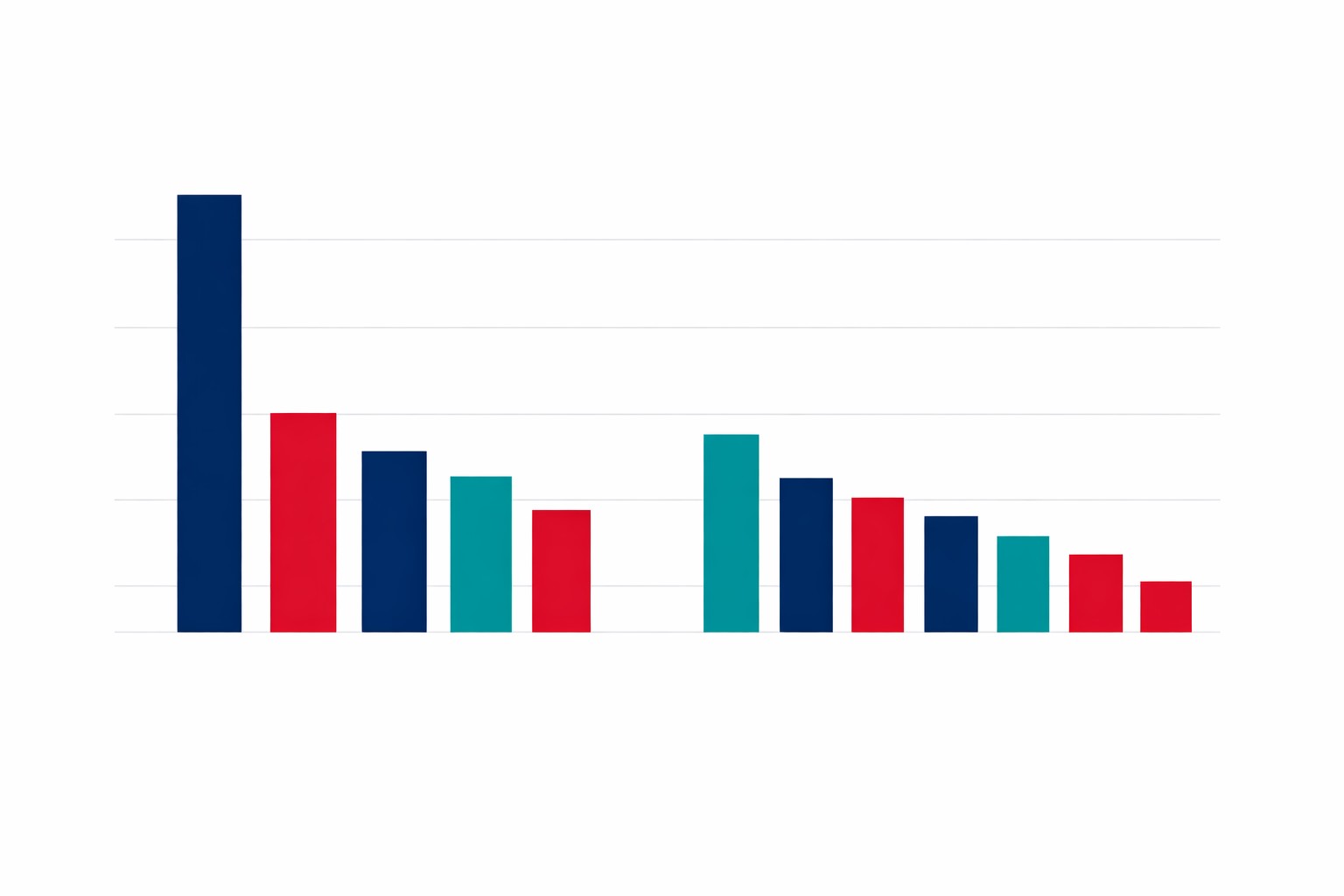
According to alliance data, only 23 of 32 member states are projected to meet or exceed the two percent of GDP threshold in the current fiscal cycle. The United States continues to account for roughly 70 percent of total NATO defense expenditure despite representing a smaller share of the alliance's combined economic output.
European governments have pointed to recent budget increases triggered by Russia's invasion of Ukraine, yet Washington argues the adjustments remain insufficient to address long-term capability gaps across the continent.
Background & Context
Debates over equitable defense contributions date back decades but gained renewed urgency after the 2014 Wales Summit established the two percent guideline in response to Russia's annexation of Crimea. The target was intended to reverse post-Cold War spending declines across much of Europe.
- Pre-2014 average European defense spending hovered around 1.5 percent of GDP
- Ukraine war prompted emergency budget revisions in Germany, Poland and the Baltic states
- US officials have repeatedly tied spending shortfalls to questions about alliance credibility
NATO's outreach to Asia reflects a broader strategic evolution. The alliance now regularly invites leaders from Japan, South Korea, Australia and New Zealand to its summits, signaling recognition that security challenges in Europe and the Indo-Pacific are increasingly interlinked.
Key Players & Reactions
US representatives at NATO headquarters emphasized that sustained underinvestment risks weakening collective deterrence at a time of multiple global flashpoints. European counterparts countered that they have delivered meaningful capability improvements and that raw spending percentages do not capture qualitative contributions.
We expect all allies to deliver on their commitments. Burden sharing is not optional when facing coordinated challenges from authoritarian states.
European diplomats responded by highlighting new procurement programs and industrial cooperation initiatives, while noting that many countries have passed multi-year spending laws that will lift averages further in coming years.
European nations have increased real defense expenditure by more than 20 percent since 2014. The direction of travel is clear and sustained.
Analysis & Implications
Defense analysts note that the American criticism serves multiple purposes: reinforcing domestic political narratives about alliance fairness while also pressuring European capitals to accelerate capability development ahead of potential future US policy shifts. The simultaneous reassurance to Asian partners suggests Washington wants to prevent any perception that European commitments will divert attention from Indo-Pacific priorities.
Some experts argue the spending debate masks deeper disagreements about strategic priorities. European governments remain focused on territorial defense and support for Ukraine, whereas US strategy increasingly emphasizes long-range strike capabilities and naval power projection in the Pacific.
Regional & Global Impact
The dual messaging carries consequences across several regions. Asian partners welcome NATO's interest but remain cautious about being drawn into European resource allocation disputes. Meanwhile, Central and Eastern European states worry that renewed transatlantic friction could slow the delivery of promised equipment and training.
- Japan and South Korea view NATO engagement as a hedge against Chinese assertiveness
- Poland and Baltic states seek continued high US force posture in Europe
- France and Germany advocate greater European strategic autonomy alongside alliance commitments
- Australia and New Zealand prioritize technology sharing and intelligence cooperation
Global defense markets are also watching closely, as higher European spending targets could shift procurement patterns away from traditional US suppliers toward joint European programs.
What To Watch
Attention now turns to the release of updated national defense plans in early 2025 and preparations for the next NATO summit. Observers will monitor whether European budgets continue their upward trajectory and whether new industrial partnerships with Asian counterparts materialize into concrete projects.
Key dates include the annual NATO defense ministers meeting scheduled for February and publication of the alliance's next capability targets later in the year. Any slippage in European spending pledges is expected to trigger fresh diplomatic pressure from Washington.
Disclaimer: This content is aggregated from verified external sources for global news and information purposes only.