
Poland Seals Record $33 Billion Domestic Arms Deals
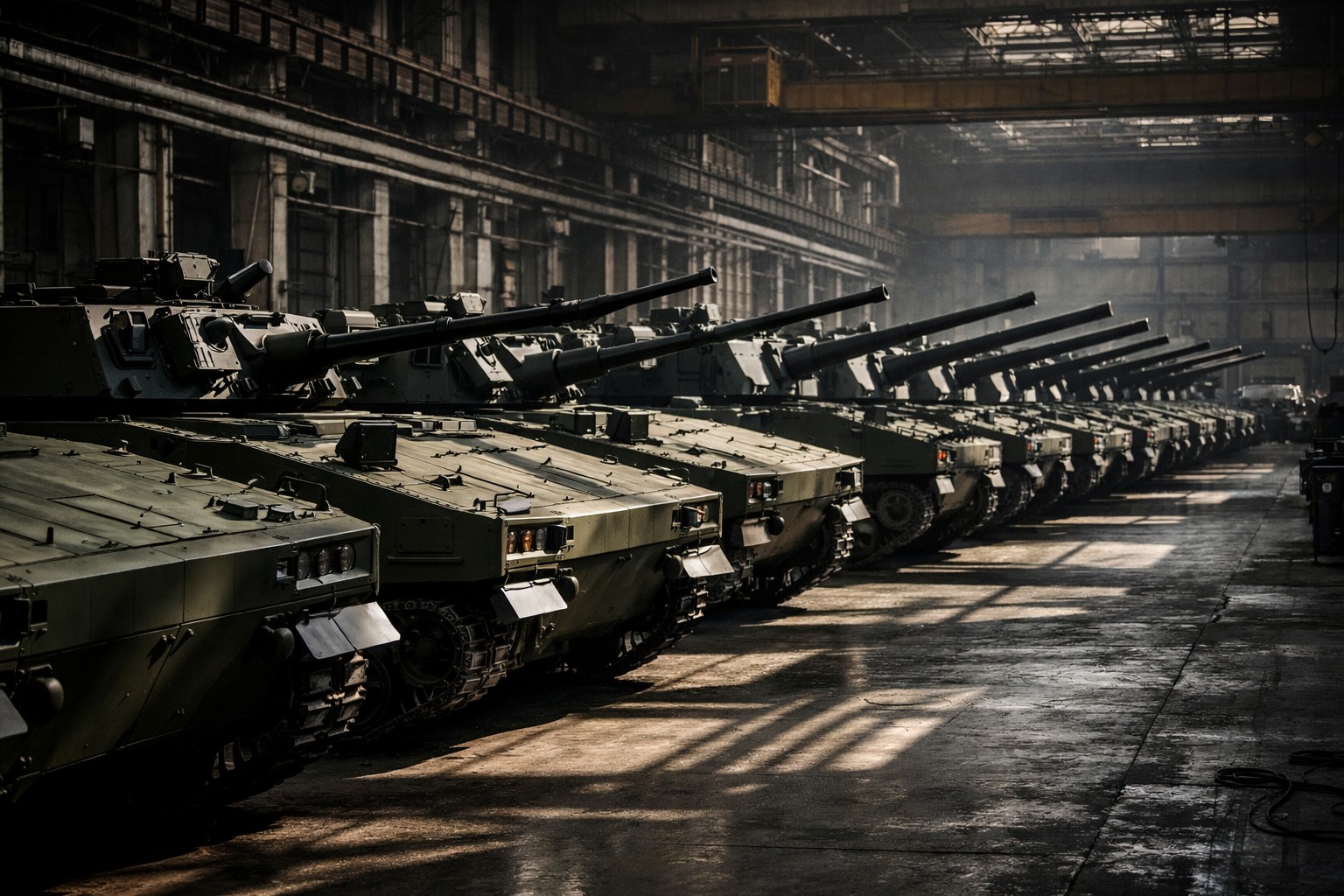
Poland has finalized an unprecedented series of domestic defense contracts totaling $33 billion across just three days, acquiring 146 new Borsuk infantry fighting vehicles and 96 Krab self-propelled howitzers along with dozens of supporting systems from Polish manufacturers.
Domestic Contracts Fuel Polish Rearmament Drive
The agreements represent the largest single wave of orders ever placed with Poland's state-linked defense firms. Officials described the move as a deliberate strategy to accelerate production lines and reduce dependence on foreign suppliers for core equipment.
Contracts were distributed among major players including the Polish Armaments Group and Huta Stalowa Wola. The rapid signing pace reflects both urgent modernization needs and available budget headroom created by Poland's elevated defense allocation.
Borsuk Fleet to Modernize Infantry Capabilities
The 146 Borsuk vehicles will form the backbone of Poland's future mechanized infantry battalions. These tracked, amphibious platforms feature modular armor, remote weapon stations, and anti-tank guided missiles, offering a significant upgrade over legacy Soviet-era BMPs still in service.
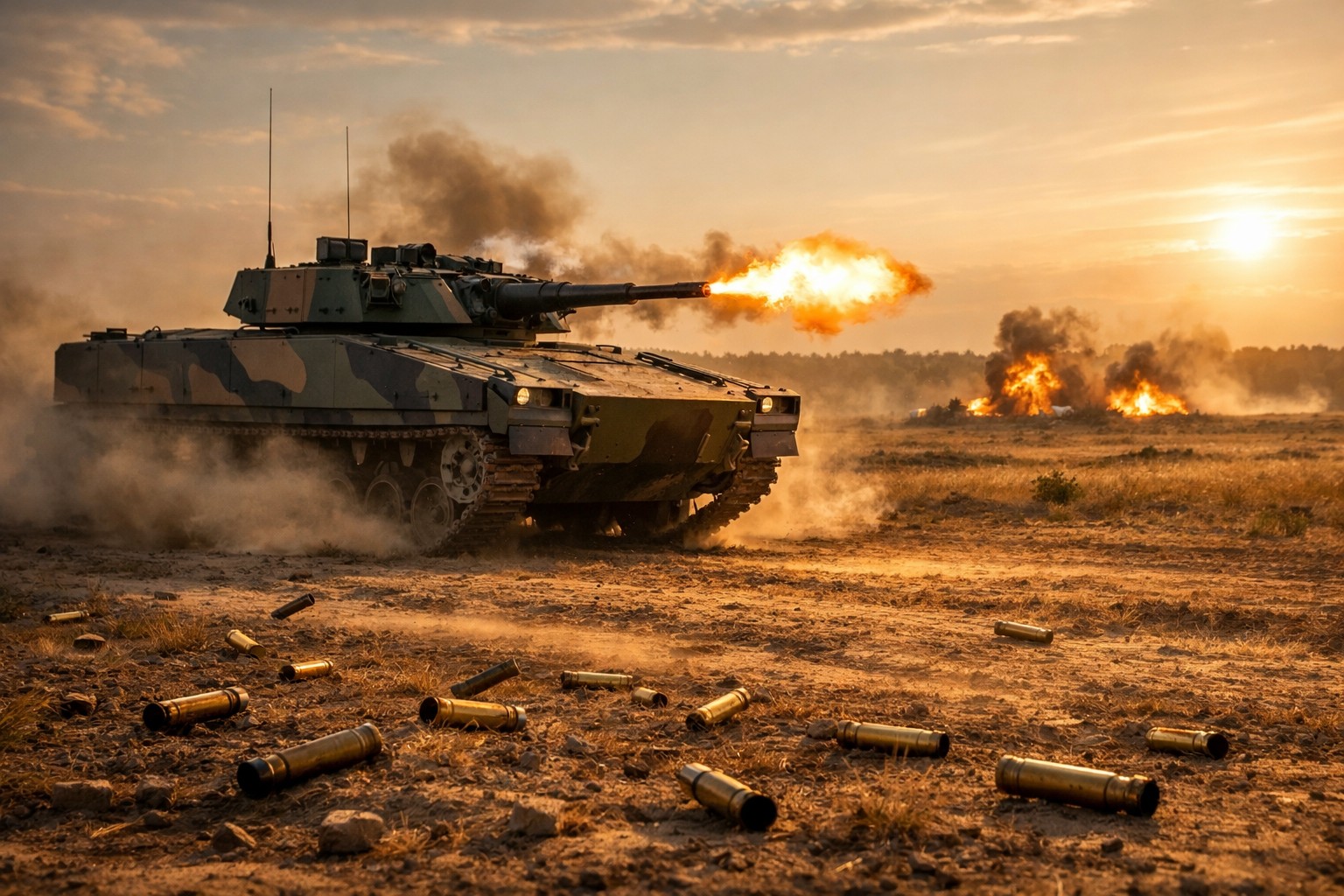
Production will be ramped up at facilities in Siemianowice Śląskie. Deliveries are scheduled to begin within 18 months, with full operational capability targeted for 2028. Each vehicle carries a crew of three plus eight dismounts and integrates advanced battle management software developed domestically.
- Amphibious capability for rapid river crossings
- Integrated anti-drone and active protection systems
- Compatibility with Polish command networks
Expanding Krab Artillery for Enhanced Firepower
The additional 96 Krab 155mm howitzers will expand Poland's artillery regiments to NATO-standard fire density. The system combines a Polish-designed chassis with a British AS-90 turret and Korean K9-derived gun, delivering a 40-kilometer range with precision-guided shells.
Poland already operates more than 120 Krabs and has exported dozens to Ukraine. The new batch includes upgraded fire-control computers and automated loading mechanisms that reduce crew exposure during sustained barrages.
This procurement marks a pivotal moment in our efforts to bolster national security through sovereign industrial capacity.
Poland's Military Spending Reaches New Heights
Warsaw's defense budget exceeded 4 percent of GDP in 2024, the highest ratio among NATO members. Cumulative spending since Russia's full-scale invasion of Ukraine has surpassed $50 billion, funding both imported platforms and parallel domestic programs.
The latest contracts form part of a broader 2035 modernization roadmap that envisions a 250,000-strong professional force equipped with 1,000 modern tanks and over 600 self-propelled howitzers. Analysts note that channeling funds to local industry also creates thousands of skilled jobs in regions historically tied to heavy manufacturing.
Boosting National Defense Industry Capacity
Executives at Polish defense companies welcomed the scale of orders as validation of long-term investment in research and production infrastructure. The deals are expected to sustain full employment at key plants for the next decade while attracting additional private-sector suppliers into the supply chain.
Officials emphasized that standardized domestic platforms simplify logistics and training compared with mixed fleets of imported equipment. Future export potential for both Borsuk and upgraded Krab variants is already being discussed with Central European and Baltic partners.
Strategic Implications for European Security
The procurement wave strengthens Poland's position as a frontline NATO state and signals to allies that Warsaw intends to shoulder a growing share of collective defense responsibilities. Regional partners have privately expressed interest in joint procurement frameworks that could further integrate Polish production lines.
Defense analysts observe that sustained high spending may influence future EU discussions on joint procurement and strategic autonomy. Poland's model of blending large-scale imports with aggressive domestic investment is now being studied by several other member states seeking to rebuild depleted inventories.
Disclaimer: This content is aggregated from verified external sources for global news and information purposes only.