
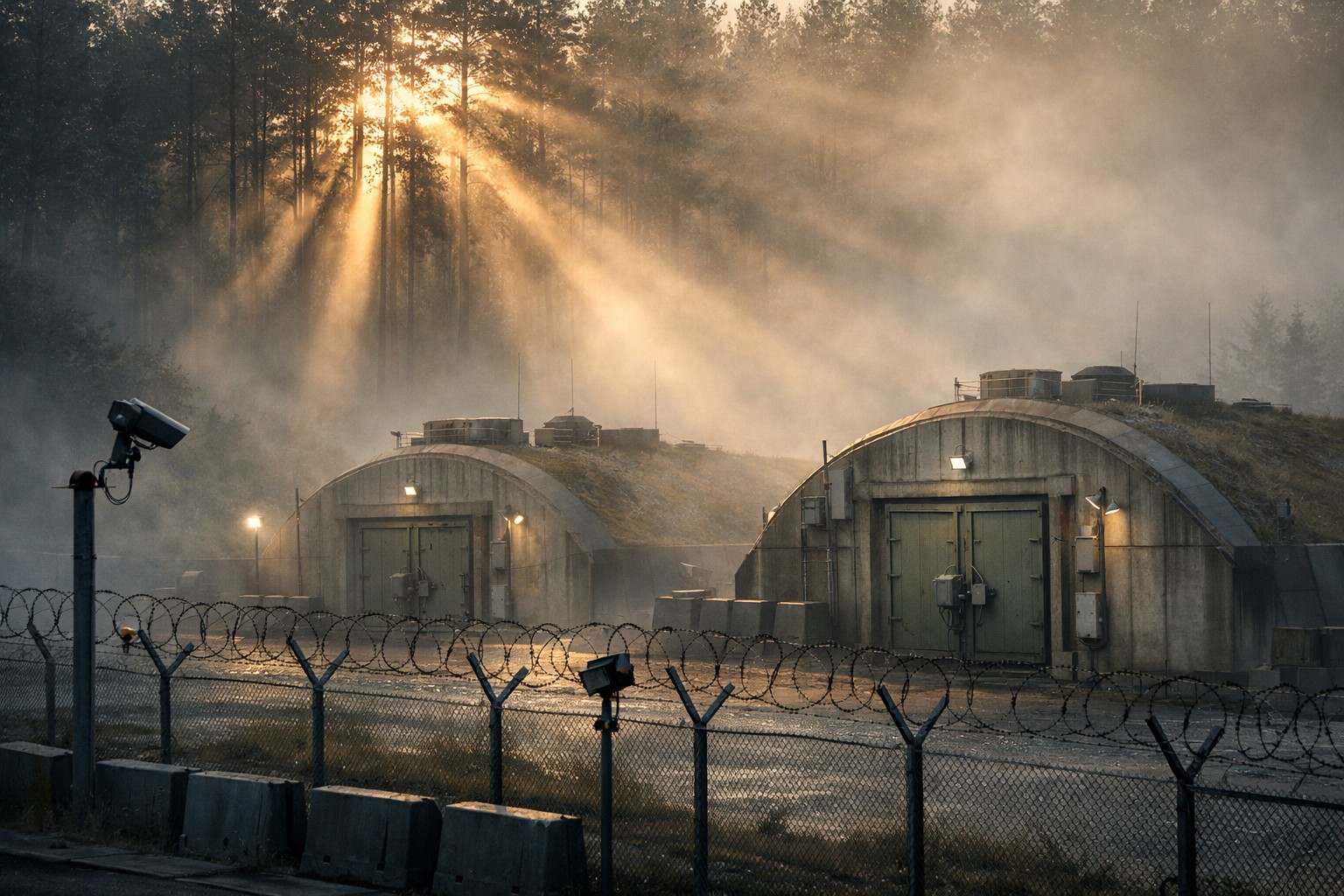
US Explores Broader Nuclear Deployments Across Europe
The United States is engaged in quiet talks with European allies about increasing the number of nuclear weapons stationed on the continent, according to a report from the Financial Times that has drawn swift attention from defense officials and analysts in multiple capitals.
Financial Times Breaks the Story
Sources familiar with the discussions told the newspaper that the conversations remain at an early stage and focus on practical questions such as storage upgrades and training requirements. No final decisions have been reached, and any changes would require approval from host governments as well as NATO consultation.
The report comes at a time when several European countries have signaled willingness to host additional U.S. assets if security conditions worsen. Officials stress that the talks are exploratory rather than a formal proposal.
Current Nuclear Footprint in Europe
The United States currently maintains roughly 100 B61 gravity bombs at air bases in five NATO countries. These weapons form the backbone of the alliance’s nuclear sharing arrangement that dates back to the early years of the Cold War.
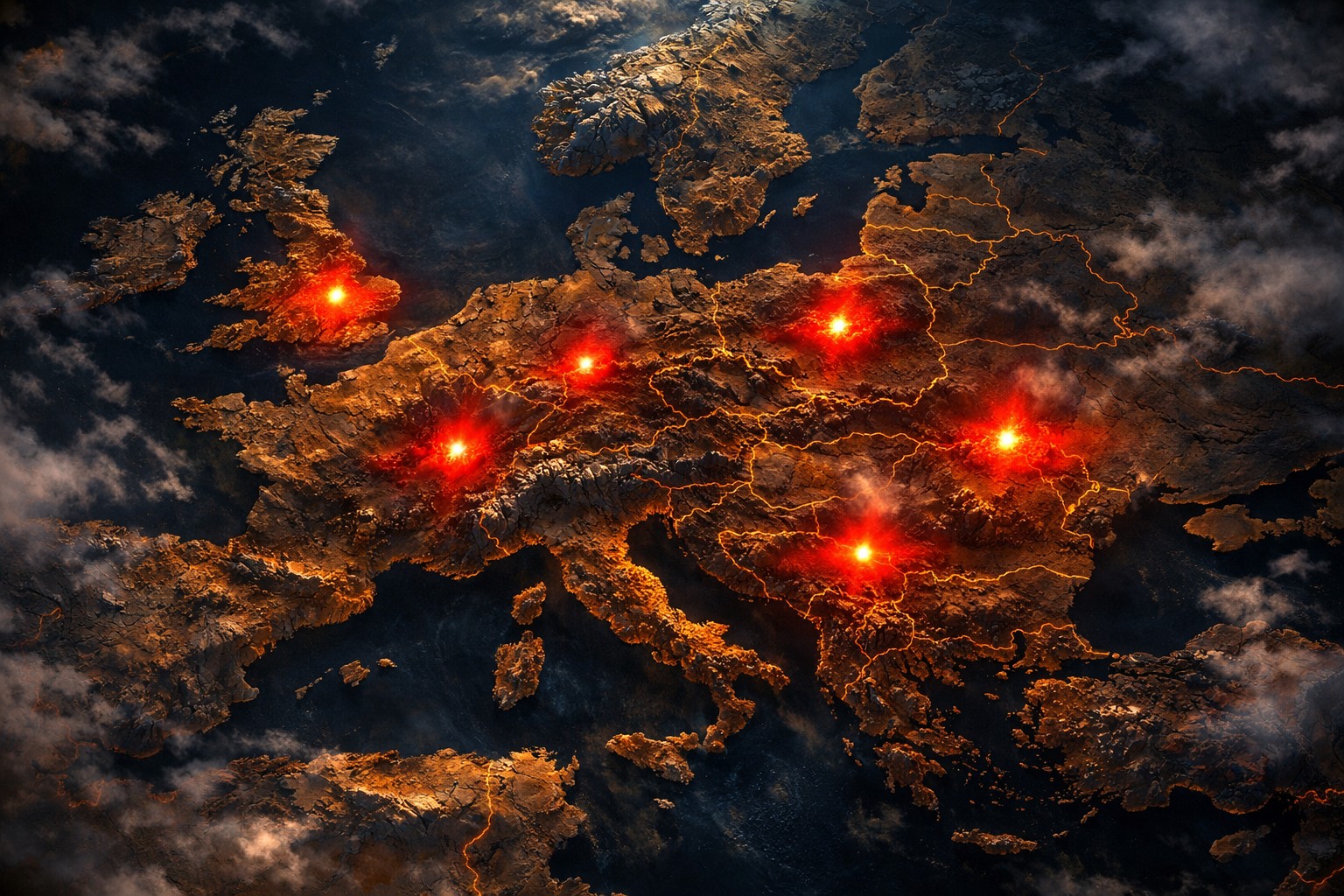
Belgium, Germany, Italy, the Netherlands and Turkey each host a portion of the stockpile under strict bilateral agreements. Aircraft from those nations are certified to carry the weapons in wartime under NATO command structures.
- Belgium: Kleine Brogel Air Base
- Germany: Büchel Air Base
- Italy: Aviano and Ghedi Air Bases
- Netherlands: Volkel Air Base
- Turkey: Incirlik Air Base
Modernization efforts are already underway, with the new B61-12 variant scheduled to replace older versions over the next several years.
Why Discussions Are Happening Now
Rising tensions with Russia have prompted NATO members to review every element of their deterrence posture. Moscow has repeatedly issued nuclear-tinged warnings since its full-scale invasion of Ukraine began in 2022.
European leaders have watched Russia’s suspension of the New START treaty and its deployment of new intermediate-range systems with growing alarm. Some officials argue that visible adjustments to NATO’s nuclear posture could help restore a sense of balance.
We have to ensure that our deterrence remains credible under all circumstances, said one senior NATO diplomat who spoke on condition of anonymity.
Analysts note that any expansion would likely involve additional storage sites or increased numbers at existing facilities rather than entirely new countries joining the sharing arrangement.
European Governments React
Officials in Berlin, Rome and The Hague have so far offered measured responses, emphasizing that any decisions would be taken collectively inside NATO. Poland, which has long expressed interest in greater nuclear cooperation, welcomed the news as a sign that allies are taking eastern flank security seriously.
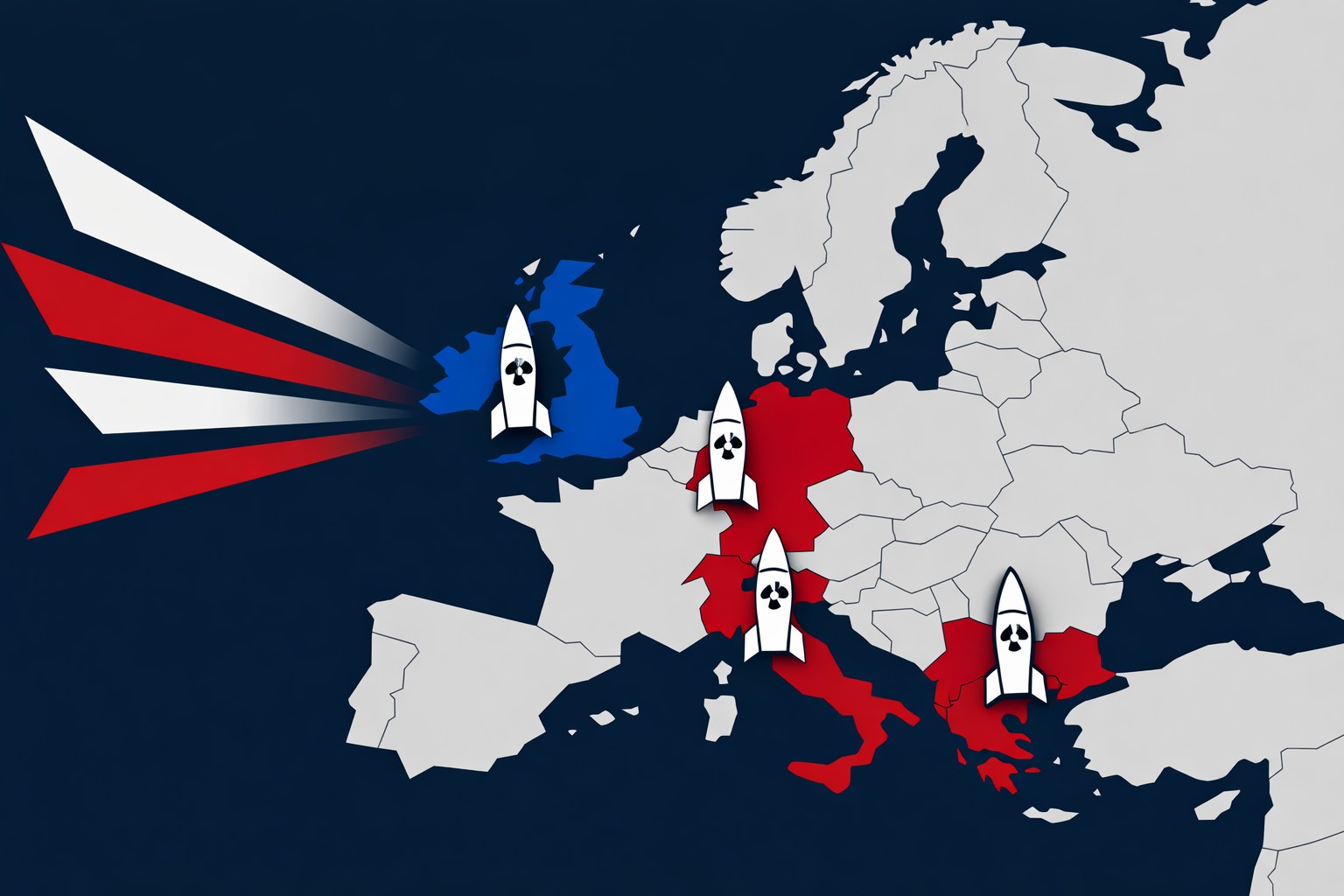
France, which maintains its own independent nuclear force, has watched the talks from a distance while stressing the importance of European strategic autonomy. The United Kingdom, already a nuclear power, has focused on coordinating its own submarine-based deterrent with U.S. planning.
Arms Control Experts Weigh Risks
Arms control specialists caution that visible increases in deployed weapons could accelerate an already tense nuclear dynamic with Russia. They point out that transparency measures and confidence-building steps have largely collapsed since the Ukraine war began.
Any expansion needs to be accompanied by clear diplomatic messaging so that it does not trigger unintended escalation, noted Dr. Patricia Lewis of Chatham House.
Others argue that the existing stockpile has remained stable for decades and that modest adjustments would simply reflect the changed security environment rather than a new arms race.
Outlook for NATO Nuclear Policy
Allied defense ministers are expected to discuss the broader deterrence picture at the next NATO summit. Any concrete steps would require extensive technical work on security, command arrangements and host-nation consent.
Washington has made clear that it remains committed to NATO’s nuclear mission while continuing to seek diplomatic off-ramps with Moscow. European capitals, meanwhile, are balancing public opinion concerns with the need to demonstrate resolve.
This article is based on reporting from the Financial Times and publicly available information on NATO nuclear arrangements. Developments remain fluid and no final decisions have been confirmed by U.S. or allied governments.
Disclaimer: This content is aggregated from verified external sources for global news and information purposes only.