
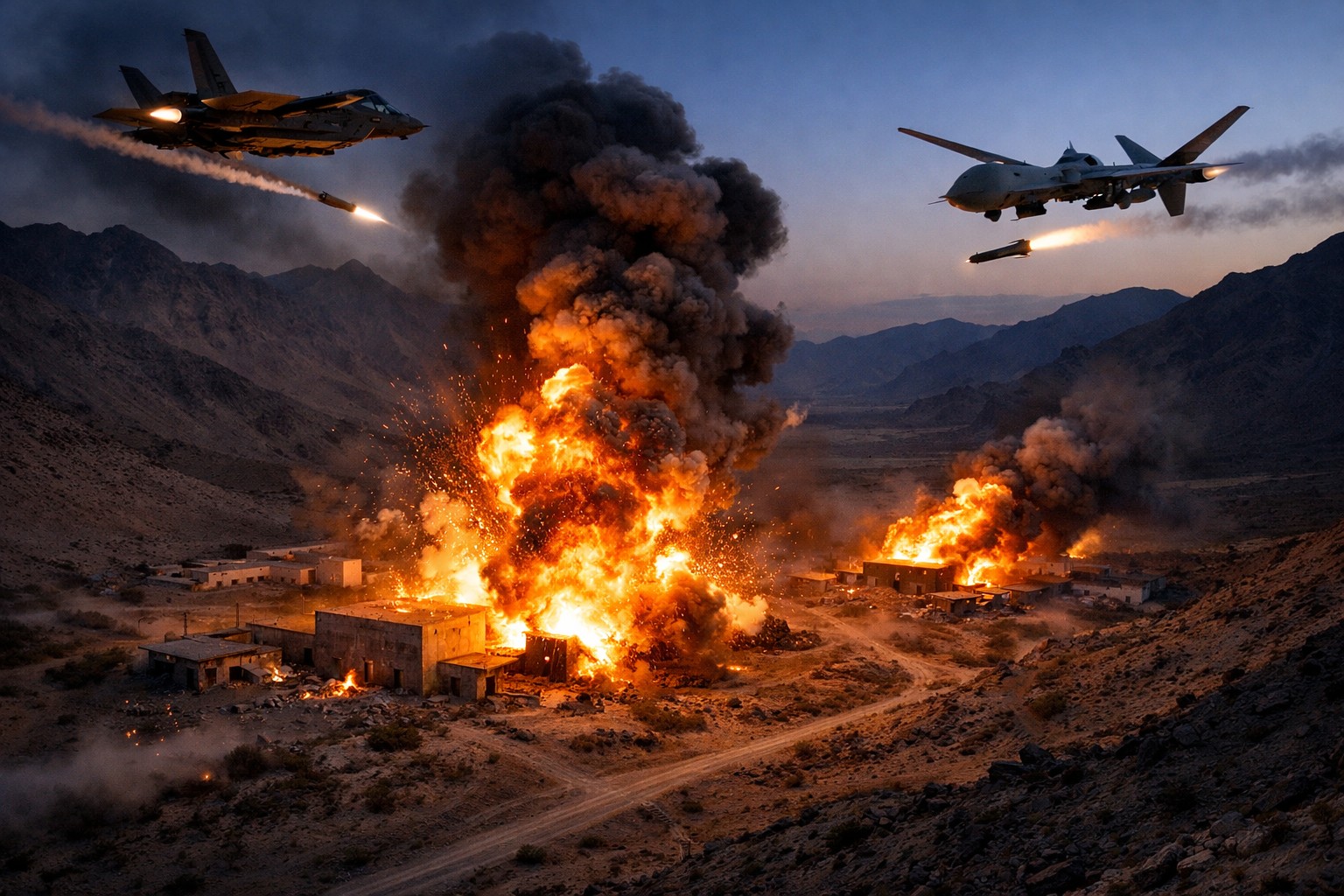
US Confirms Strikes on Iranian Drone Command Sites
The United States military carried out targeted airstrikes on Iranian drone command sites over the weekend, the Pentagon confirmed Monday, in what officials described as a defensive response to threats against American forces and allies in the Middle East.
Pentagon Details Precision Operation
Defense Department spokesperson Sabrina Singh said the strikes hit command-and-control nodes used to direct drone attacks. The operation involved a combination of manned and unmanned aircraft operating from bases in the region. Officials emphasized that the targets were chosen to minimize civilian casualties while degrading Iran's ability to coordinate unmanned aerial systems.
Initial assessments indicate several facilities sustained significant damage. US Central Command reported that the strikes disrupted communications links between Iranian Revolutionary Guard Corps units and proxy forces operating across Iraq, Syria, and Yemen.
These actions were taken in direct response to imminent threats posed by Iranian-backed drone activity against US personnel and partner forces.
Iran's Expanding Drone Arsenal
Iran has invested heavily in drone technology over the past decade. The Islamic Republic now produces a range of low-cost, long-range unmanned systems capable of carrying explosive payloads. These weapons have become a central element of Tehran's asymmetric warfare strategy, allowing proxies to conduct attacks without direct Iranian attribution.
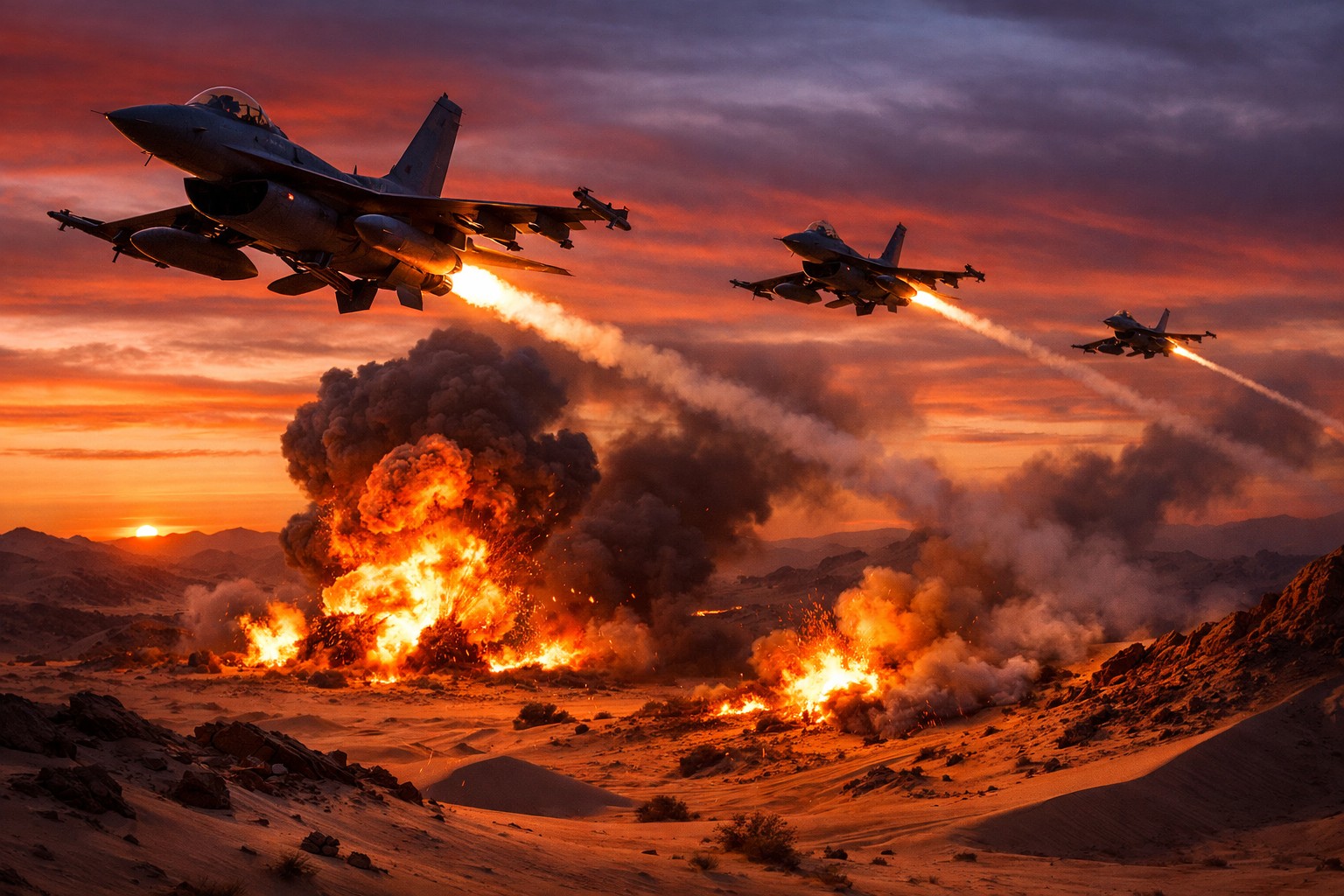
According to the International Institute for Strategic Studies, Iran possesses more than 2,000 drones in its inventory, many of which have been supplied to groups such as the Houthis in Yemen and militias in Iraq and Syria. The weekend strikes specifically targeted nodes believed to coordinate these cross-border operations.
- Shahed-136 loitering munitions used extensively in Ukraine and the Red Sea
- Mohajer-6 reconnaissance and strike platforms
- Arash and Ababil series tactical drones
Tehran Issues Sharp Condemnation
Iranian Foreign Minister Abbas Araghchi called the strikes a violation of international law and vowed a proportionate response. State media in Tehran reported limited damage and claimed several US drones were intercepted during the operation.
This reckless aggression will only strengthen our resolve to defend our sovereignty and support our regional partners against foreign interference.
Analysts note that Iran typically avoids direct military confrontation with the United States, preferring instead to respond through proxy attacks or cyberattacks. Any immediate retaliation is therefore expected to occur through allied militias rather than Iranian forces themselves.
Decades of Shadow Conflict
US-Iran tensions have simmered since the 1979 Islamic Revolution. Direct military exchanges remain rare, yet both sides have engaged in a persistent shadow war involving sanctions, cyberattacks, and proxy confrontations across the region.
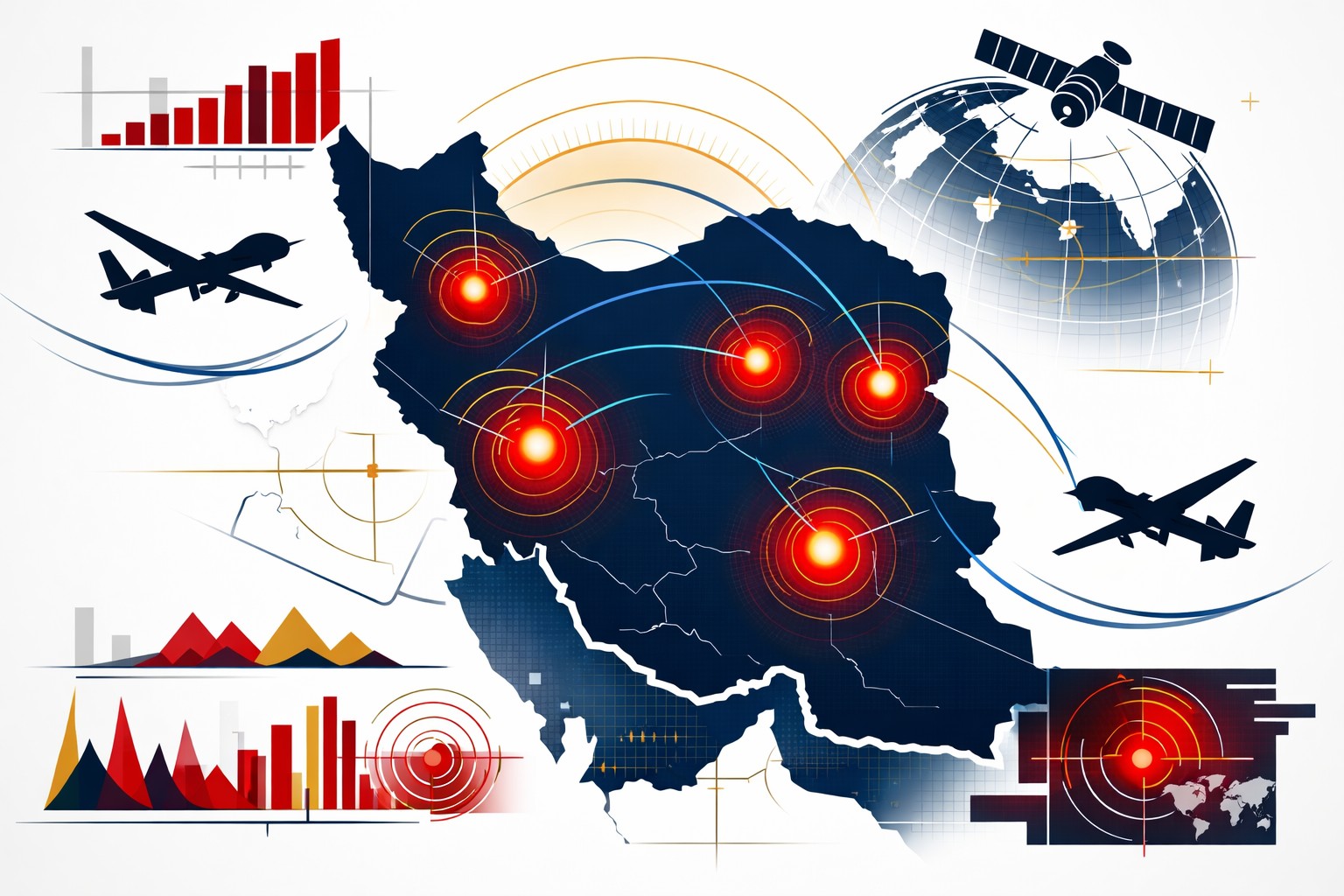
The latest strikes follow a series of drone and missile attacks on US positions in Iraq and Syria earlier this year. In January 2024, three American service members were killed in a drone strike attributed to Iranian-backed militias, prompting previous rounds of US retaliation.
Regional Allies Brace for Fallout
Israel and Gulf Arab states welcomed the American action while expressing caution about potential escalation. Saudi Arabia has faced repeated Houthi drone attacks on its oil infrastructure, and officials in Riyadh are monitoring whether the strikes will reduce such threats.
European diplomats urged both Washington and Tehran to exercise restraint. The European Union's foreign policy chief described the situation as "highly volatile" and called for de-escalation talks through back channels.
Strategic Implications for Drone Warfare
Military experts say the operation highlights the growing importance of counter-drone technologies. The US military has accelerated development of directed-energy weapons and electronic warfare systems to neutralize low-cost unmanned threats.
Retired Air Force General David Deptula noted that Iran's drone program represents a significant force multiplier for Tehran. He argued that degrading command nodes offers a more effective deterrent than targeting individual aircraft.
Striking the brain rather than the limbs is the smarter approach when dealing with distributed drone networks.
Looking ahead, defense analysts expect continued friction as Iran seeks to rebuild damaged infrastructure while the United States maintains pressure through sanctions and military posture. The next several weeks will reveal whether the strikes achieve a lasting reduction in drone activity or simply trigger another cycle of retaliation.
Disclaimer: This content is aggregated from verified external sources for global news and information purposes only.