
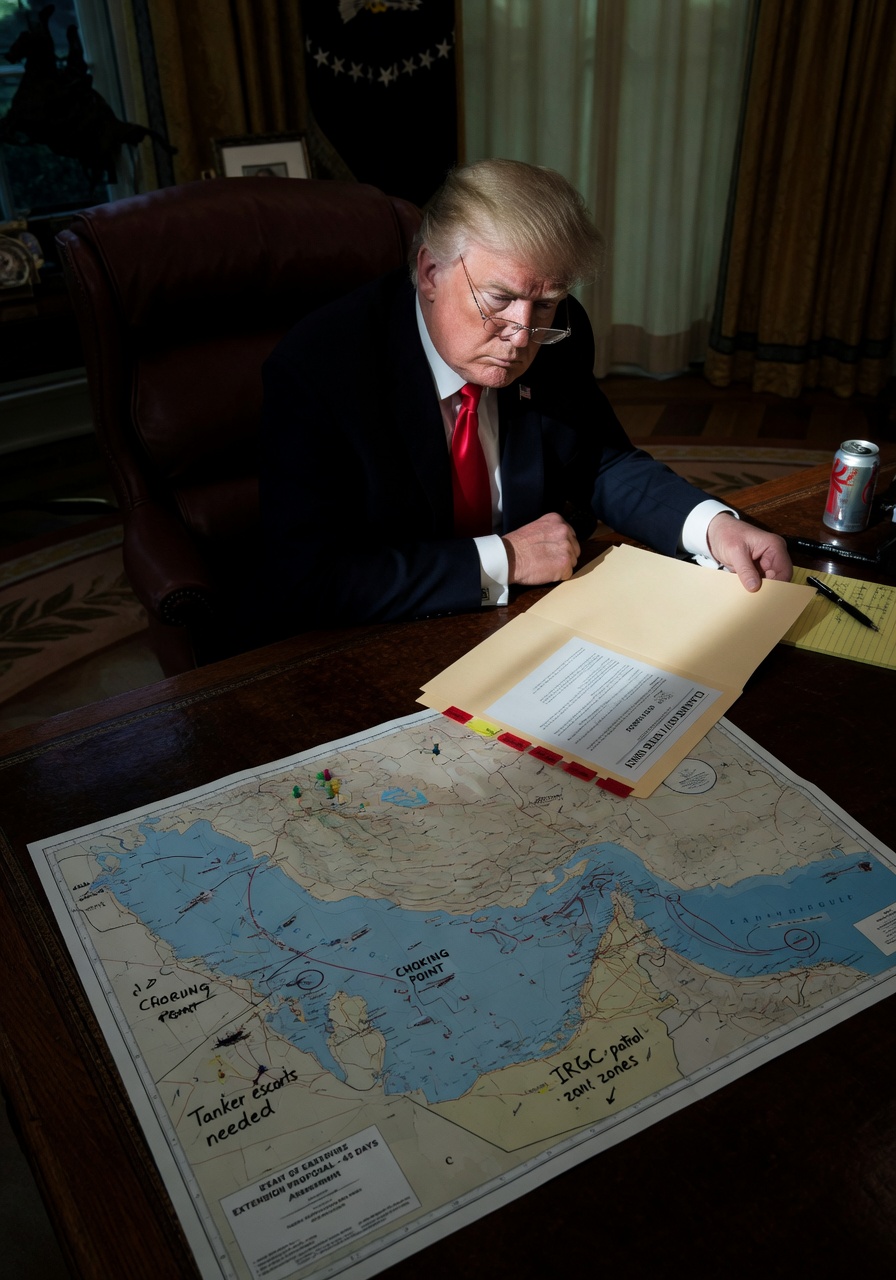
Trump Weighs Final Call on Iran Ceasefire Extension Requiring Hormuz Access and Nuclear Limits
President Donald Trump is set to make a pivotal decision on a proposed agreement with Iran that would extend the current ceasefire by 60 days, reopen the strategically critical Strait of Hormuz to international shipping, and initiate talks aimed at curbing Tehran's nuclear weapons capabilities. The development comes as U.S. officials signal the framework is near completion, though Iran has emphasized the need for concrete actions over diplomatic assurances.
Negotiators Reach Tentative Framework
Sources familiar with the talks indicate that U.S. and Iranian negotiators, with mediation from Pakistan, have outlined a memorandum of understanding. This initial phase would lift restrictions on navigation through the Strait of Hormuz, end the U.S. naval blockade on Iranian ports, and allow limited sanctions relief on Iranian oil exports. In exchange, Iran would permit unrestricted shipping and commit to further negotiations on its nuclear program within the 60-day window.
Trump has not yet given final approval, according to multiple reports. He is expected to review the details during meetings on Friday. Iranian negotiator Mohammad Baqer Qalibaf stated that Tehran seeks "actions, not words," underscoring skepticism toward U.S. commitments. Iran's state media has noted that the draft text continues to evolve.
Background of the Conflict and Ceasefire
The current standoff stems from a broader conflict that erupted on February 28, 2026, when the United States and Israel launched military strikes against Iranian targets. The campaign followed failed diplomatic efforts and deadlines set by the Trump administration for Iran to reach an agreement. Iran responded by effectively closing the Strait of Hormuz to most energy shipments, a move that disrupted global oil supplies and contributed to price volatility.

A conditional ceasefire brokered in early April with Pakistani involvement has held tenuously since then, though sporadic exchanges of fire have tested its limits. The Strait, through which approximately one-fifth of global oil and liquefied natural gas shipments previously flowed, remains a flashpoint, with no tankers transiting in recent days per tracking data.
Economic Ripple Effects and Market Reactions
The potential deal has already influenced energy markets. Oil futures declined around 2% on Friday amid optimism for resumed shipments, marking one of the steepest weekly drops since early April. Analysts note that a sustained reopening could ease pressure on global energy prices, which had surged due to the closure and related supply concerns.
Beyond oil, the conflict has caused broader economic strain, including impacts on shipping routes and regional stability. A successful extension could pave the way for reduced tensions, though experts caution that underlying issues like sanctions and proxy conflicts persist.
Key Demands and Positions
Central to the proposed deal are U.S. requirements for Iran to dismantle elements of its nuclear infrastructure and forgo weaponization. Trump has repeatedly stressed that Iran "cannot have a nuclear weapon." Iran maintains its program is peaceful and has called for the lifting of sanctions, unfreezing of assets, and withdrawal of U.S. forces from the region.

Additional complications include Iran's insistence on ending Israeli operations in Lebanon targeting Hezbollah, an Iranian ally. The U.S. side has also imposed fresh sanctions on vessels linked to Iranian oil trade and restricted Iranian airlines' access to refueling and landing rights.
International Reactions and Mediation Role
Pakistan's foreign minister arrived in Washington for discussions with U.S. Secretary of State Marco Rubio, highlighting Islamabad's ongoing mediation efforts. Earlier proposals routed through Pakistan included limits on Iran's missile program and support for armed groups alongside nuclear curbs and sanctions relief.
Reactions from other actors remain guarded. Israeli officials have expressed concerns over any deal perceived as resembling the 2015 nuclear agreement, which Trump withdrew from during his first term. Global powers are monitoring the situation closely due to its implications for energy security and Middle East stability.
Implications and Path Forward
If approved, the agreement would represent the most significant step toward de-escalation since the conflict began. It could stabilize shipping lanes, lower energy costs, and create space for longer-term nuclear negotiations. However, distrust on both sides—evident in Iran's call for verifiable actions and U.S. insistence on strict conditions—poses risks of breakdown.
Observers will watch for Trump's announcement, Iran's response, and any immediate moves to implement the Hormuz reopening. Further talks on nuclear issues could determine whether this marks a durable peace or merely a temporary pause.
Disclaimer: This content is aggregated from verified external sources for global news and information purposes only.