

Trump Names Housing Regulator Pulte as Acting Intelligence Chief
President Trump has selected Bill Pulte, the federal housing regulator and a longtime political supporter, to serve as acting director of national intelligence. The move places a figure with no prior national security experience at the helm of the United States' 18-agency intelligence community at a time when wars in Europe and the Middle East continue to test American alliances.
Pulte Moves From Housing Oversight to Top Spy Post
The appointment shifts Pulte from his role leading the Federal Housing Finance Agency, where he has overseen mortgage giants Fannie Mae and Freddie Mac, into a position that coordinates intelligence collection and analysis across the CIA, NSA, and Defense Department components. White House officials described the choice as a fresh perspective from outside the traditional national security establishment.
Pulte's confirmation as acting director bypasses the Senate process that normally accompanies permanent nominees. The decision comes as the intelligence community faces simultaneous demands from the Russia-Ukraine conflict, tensions over Taiwan, and instability in the Middle East.
Trump's Pattern of Loyalty-Based Appointments
Trump has repeatedly placed allies in senior roles across his incoming administration. Pulte fits a similar profile to other recent selections who demonstrated personal loyalty during the 2024 campaign and earlier political battles. Supporters argue this approach ensures alignment with the president's foreign policy priorities.
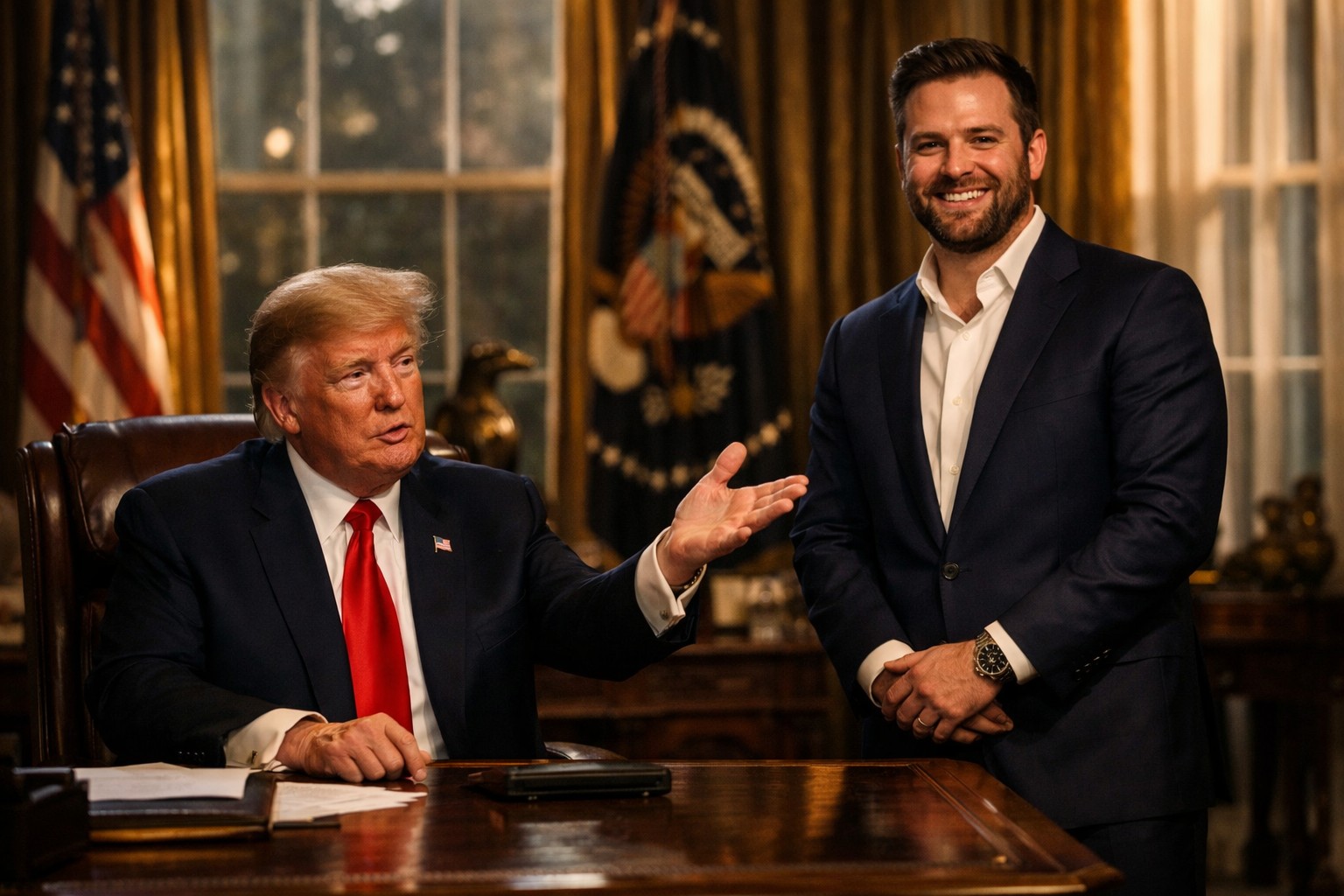
“The president wants people around him who understand his vision and will execute it without hesitation,” said a senior White House official familiar with the decision.
Critics counter that intelligence leadership requires deep subject-matter expertise rather than political alignment. Several former intelligence officials have privately expressed unease about the precedent of elevating someone whose career has centered on domestic financial regulation.
Pulte's Professional Record in Housing Finance
Before entering government, Pulte built a career in real estate and finance, including leadership roles tied to the PulteGroup homebuilding company. As FHFA director he focused on stabilizing the housing market and reforming government-sponsored enterprises that back roughly half of U.S. mortgages.
- Joined the Trump orbit during the 2016 campaign and remained a visible supporter
- Advocated for deregulation of housing finance rules during his agency tenure
- Lacks any documented background in foreign intelligence or defense matters
Those experiences, while relevant to domestic economic policy, differ sharply from the analytical and operational demands of running the Office of the Director of National Intelligence.
Intelligence Community Reacts to the Selection
Current and former intelligence officers have offered measured public comments while voicing private reservations. Career professionals note that the DNI position was created after 9/11 specifically to improve coordination among agencies that previously operated in silos.
“The job requires someone who can synthesize information from highly technical collection platforms and brief the president on rapidly evolving threats,” said a retired senior CIA official who spoke on condition of anonymity.
Some rank-and-file analysts worry the appointment could affect morale and retention at a time when the community already competes with private sector salaries. Congressional oversight committees have scheduled closed briefings to review the transition.
Global Security Challenges Test New Leadership
The intelligence apparatus Pulte will oversee tracks active conflicts in Ukraine and Gaza while monitoring Chinese military activity around Taiwan and North Korean missile tests. Daily briefings to the president and coordination with Five Eyes partners remain core responsibilities.
Defense Department officials have emphasized the need for seamless integration between military intelligence and civilian agencies. Any disruption during the leadership transition could affect real-time assessments reaching the White House Situation Room.
Historical Role of the Director of National Intelligence
Congress established the DNI position in 2004 to address intelligence failures identified after the September 11 attacks and the Iraq weapons-of-mass-destruction assessments. Previous directors have included career intelligence officers, diplomats, and former lawmakers.
- James Clapper served from 2010 to 2017 with decades of prior experience
- John Ratcliffe, Trump's first-term nominee, came from Congress with limited intelligence background
- The acting director role carries full statutory authority until a permanent successor is confirmed
Pulte's temporary status allows the administration flexibility while searching for a longer-term candidate who may require Senate confirmation.
Outlook for Congressional Oversight and Reforms
Lawmakers from both parties have signaled they will scrutinize how Pulte structures his leadership team and whether he retains or replaces senior career officials. Budget hearings scheduled for early next year are expected to examine funding priorities for emerging technologies such as artificial intelligence and cyber defense.
Administration officials say Pulte will focus on streamlining reporting chains and ensuring intelligence products align with presidential priorities. The coming weeks will reveal how quickly the new acting director asserts authority over a sprawling bureaucracy accustomed to operating with significant autonomy.
Disclaimer: This content is aggregated from verified external sources for global news and information purposes only.