
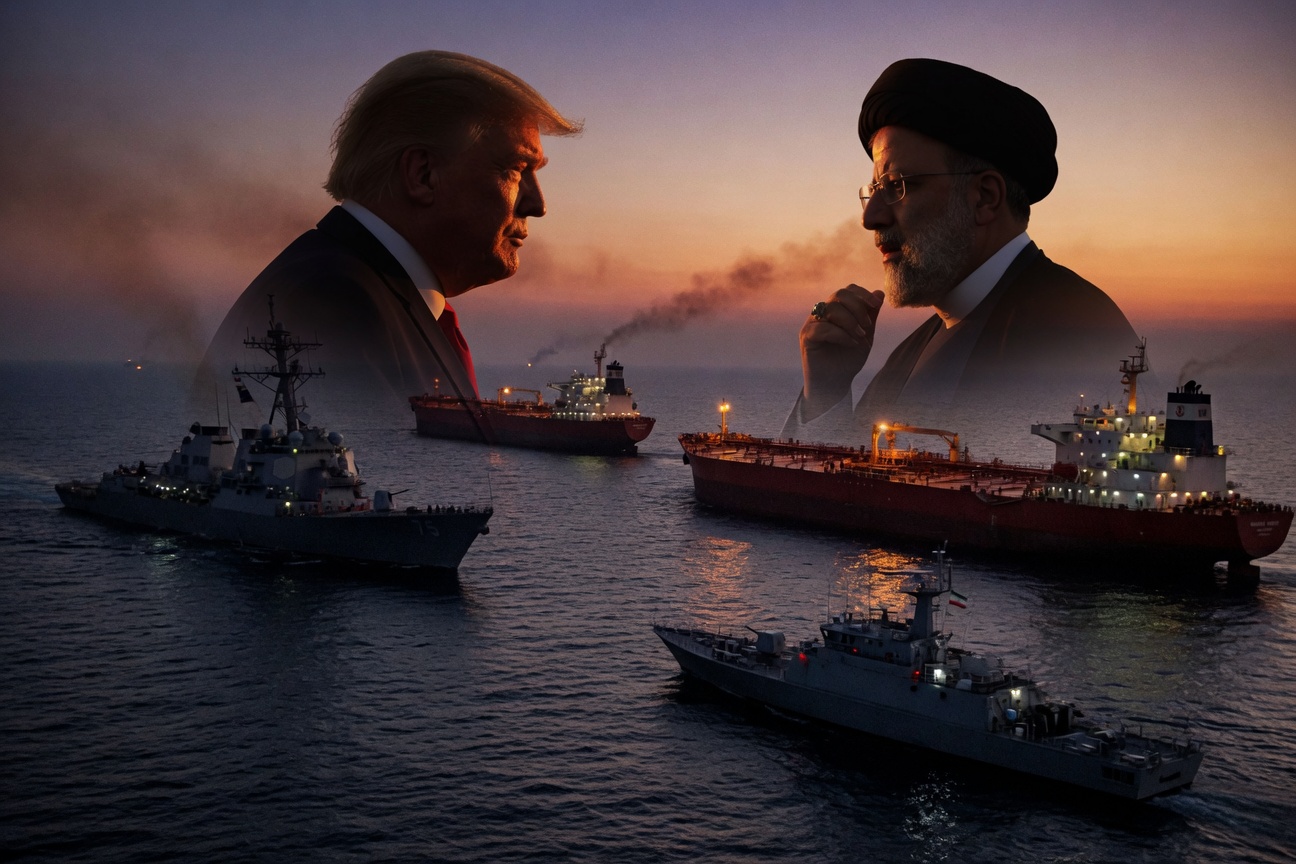
Trump and Iran Offer Conflicting Accounts of Near-Deal on Hormuz, Nuclear Issues
President Donald Trump announced on social media Saturday that a deal with Iran to end the ongoing conflict and reopen the vital Strait of Hormuz was "largely negotiated," with final details to be announced shortly. Hours later, Iran's Fars News Agency, affiliated with the Islamic Revolutionary Guard Corps, issued a point-by-point rebuttal, describing an agreement with markedly different conditions.
Conflicting Versions Emerge
Trump's version emphasized immediate opening of the Strait of Hormuz for free passage, destruction of Iran's nuclear materials, and lifting of the U.S. blockade. Iranian accounts, however, stressed an immediate release of $12 billion in frozen assets before any movement on other issues, a ceasefire in Lebanon aligned with Hezbollah's terms, and no commitments on free Hormuz passage or uranium destruction. The Situation Room remained active as negotiators continued deliberations, with no formal signing reported.
Background of the Negotiations
The latest round stems from months of conflict that began with U.S. and Israeli strikes on Iranian nuclear, missile, and military targets earlier in 2026. A fragile ceasefire has held amid indirect talks mediated partly by Pakistan. The Strait of Hormuz, through which roughly 20% of global oil trade passes, has been a central flashpoint, with disruptions contributing to elevated energy prices worldwide. Historical context includes the 2015 Joint Comprehensive Plan of Action (JCPOA), from which Trump withdrew in 2018, citing insufficient curbs on Iran's missile program and regional influence.
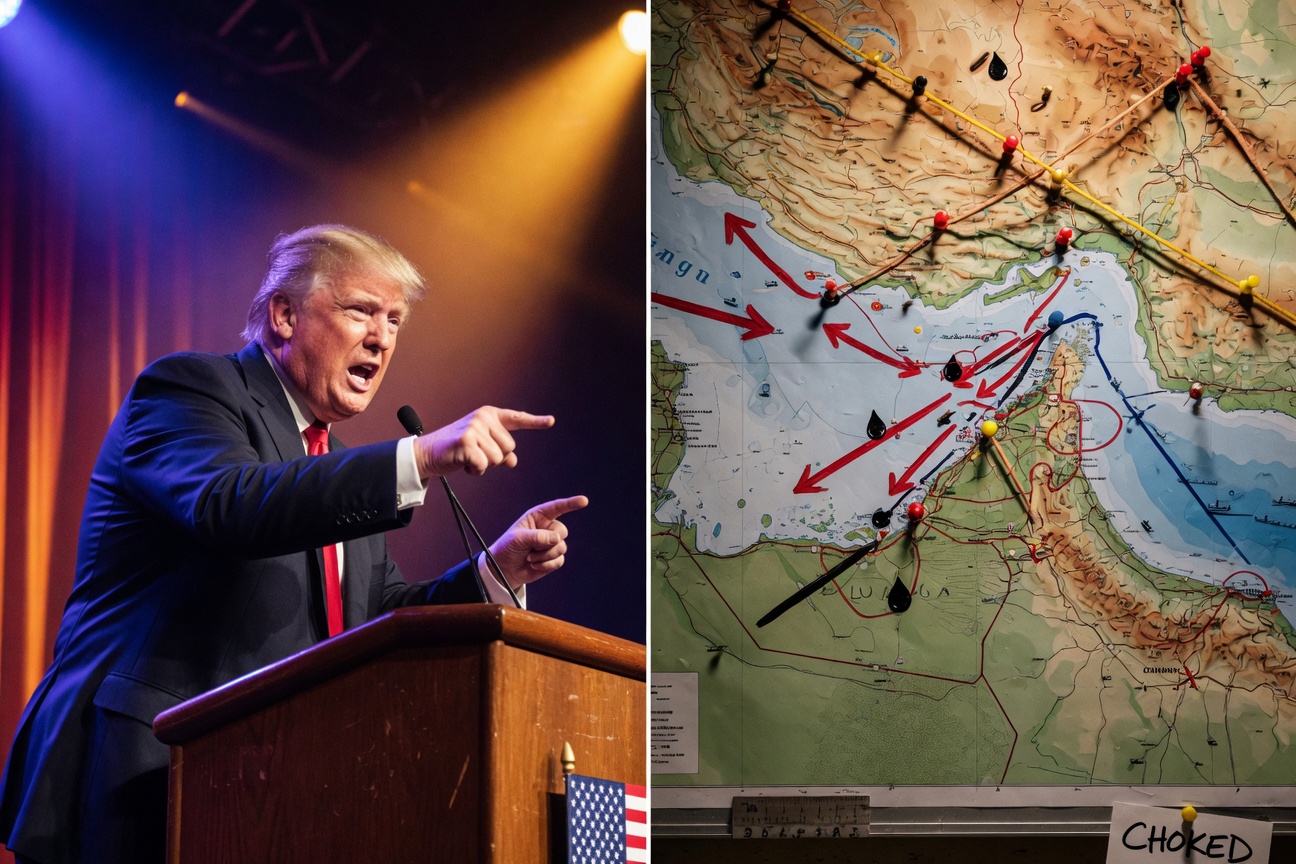
Key Elements Under Discussion
According to U.S. officials and reports, a draft memorandum of understanding envisions a 60-day ceasefire extension during which the strait would reopen without tolls, Iran would clear mines, and broader talks on its nuclear program would begin. Iran has signaled willingness to negotiate but rejects immediate handover of enriched uranium stockpiles or permanent restrictions. Sanctions relief, potentially unlocking billions in oil revenues, remains a key Iranian demand.
Reactions from Officials and Allies
Secretary of State Marco Rubio highlighted progress on an outline that could ensure open straits without tolls while addressing nuclear concerns. Iranian Foreign Ministry statements described the draft as a "framework agreement" for further talks, with no final commitments on nuclear dismantlement. Pakistani mediators expressed optimism for additional rounds, while some U.S. Republican senators voiced skepticism, warning against terms resembling the original JCPOA.
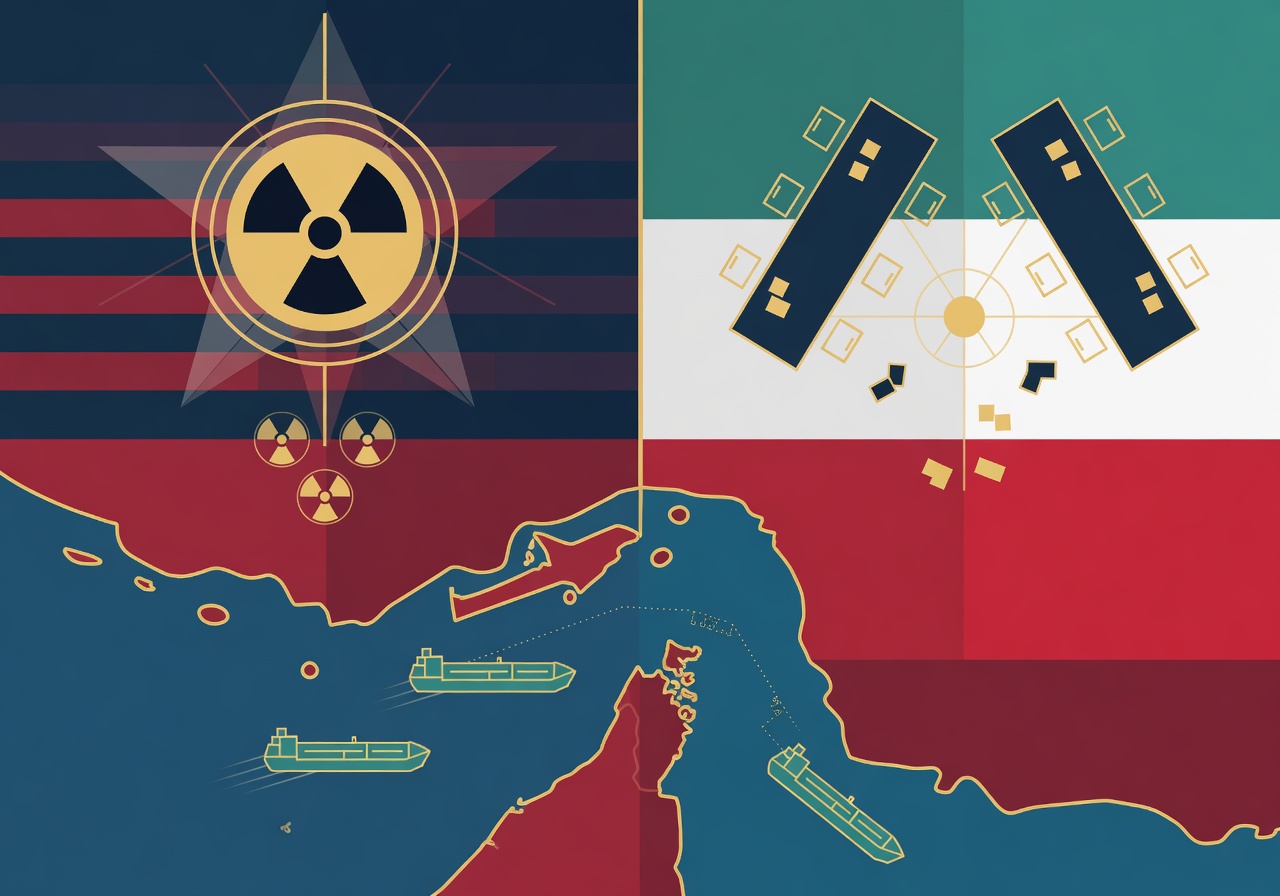
Expert Analysis and Implications
Analysts note the gap between public statements reflects classic negotiating tactics, with each side emphasizing favorable elements. The Hormuz reopening could ease global energy markets strained by the conflict, potentially lowering fuel prices ahead of peak travel seasons. However, unresolved nuclear issues risk future escalation. Experts emphasize that any durable agreement must balance Iran's economic needs with international nonproliferation goals.
Regional and Global Impact
Reopening the strait would benefit Gulf economies and global shipping, while a Lebanon ceasefire could stabilize the broader Levant. Yet persistent differences underscore deep mistrust, with potential ripple effects on oil markets, inflation, and alliances in the Middle East. The episode highlights the challenges of indirect diplomacy amid domestic political pressures on both sides.
Looking Ahead
Negotiators continue to refine terms, with Trump indicating he will not rush into an unsatisfactory agreement. Observers will watch for any formal announcement, asset releases, or renewed military activity. Further mediation sessions, possibly hosted by Pakistan or Oman, could clarify whether the sides can bridge their divergent visions.
Disclaimer: This content is aggregated from verified external sources for global news and information purposes only.