
Powell Warns of Dangers from a Politicized Federal Reserve
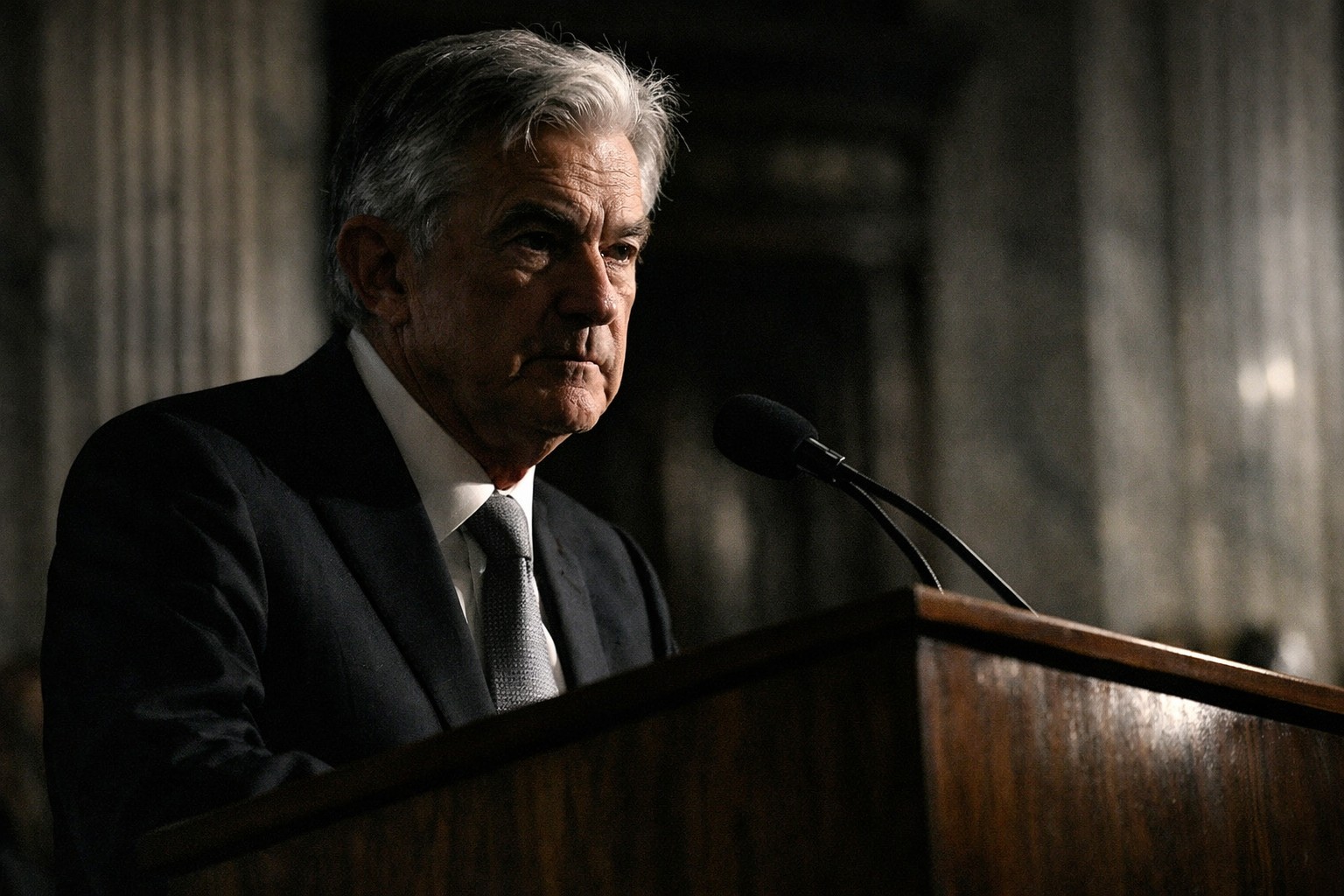
Jerome Powell used his first public appearance since stepping down as Federal Reserve chair to deliver a direct warning about the risks of turning the central bank into a political tool, while issuing a broader appeal to safeguard core democratic institutions.
Powell Issues Direct Warning on Independence
The former chairman described a politicized Federal Reserve as a threat to economic stability and public trust. He argued that any perception of partisan influence could erode the credibility built over decades of careful monetary stewardship. Powell emphasized that decisions on interest rates and financial supervision must remain grounded in data rather than electoral cycles.
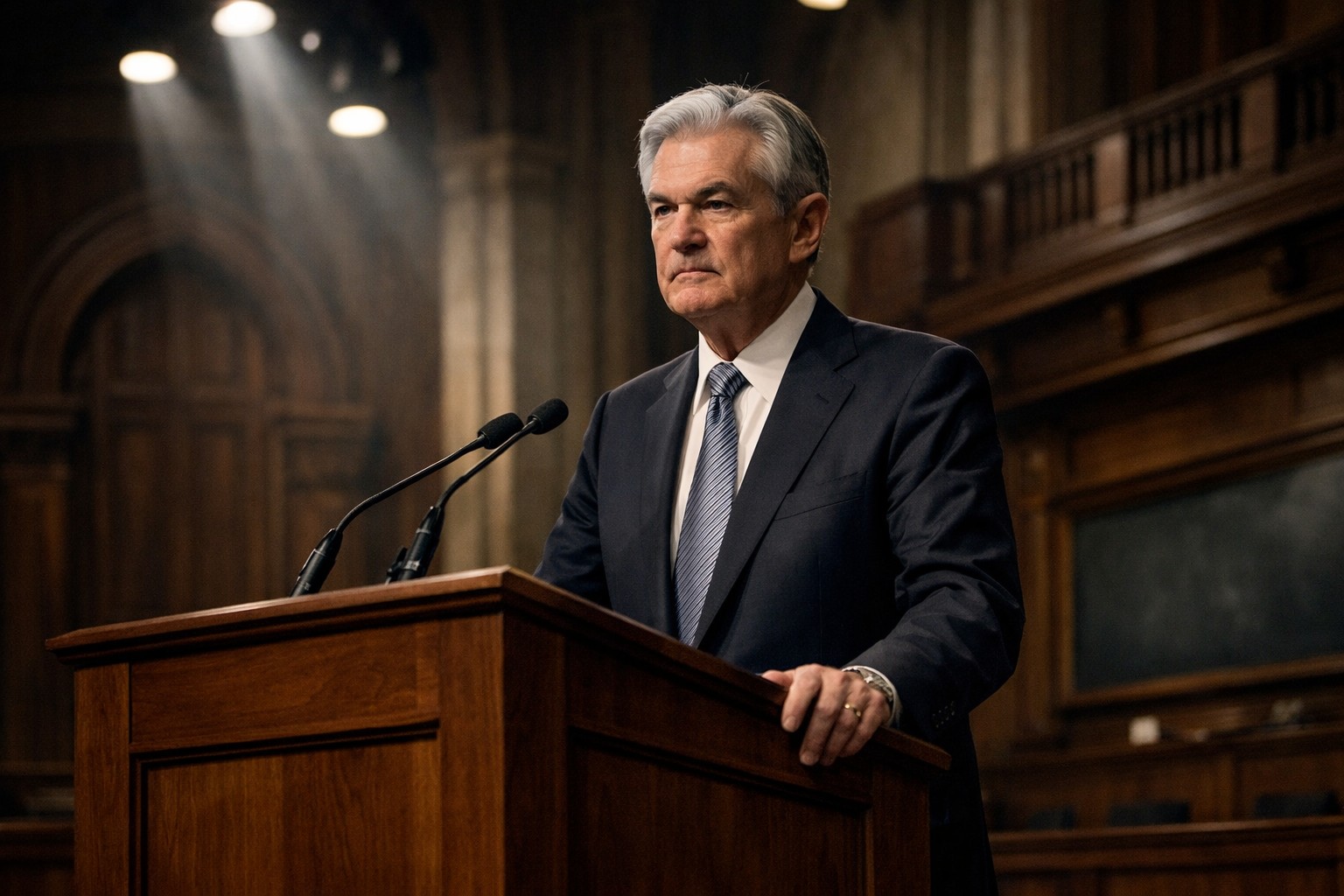
His comments arrived amid ongoing debates in Washington about the appropriate boundaries between elected officials and the central bank. Observers noted that Powell avoided naming specific politicians yet left little doubt about the stakes involved. The remarks came during a speech at a university forum focused on economic governance.
Eight Years Steering Through Historic Shocks
Powell assumed the chairmanship in February 2018 and guided the Fed through the COVID-19 pandemic, the subsequent inflation surge, and multiple banking-sector stresses. Under his leadership the central bank cut rates to near zero in 2020, launched extensive asset purchases, and later raised rates aggressively to combat 9.1 percent inflation in mid-2022.
Those policy shifts drew both praise for decisive action and criticism from lawmakers who felt the Fed had overstepped or moved too slowly. Powell consistently defended the institution’s nonpartisan mandate during congressional testimony and press conferences throughout his tenure.
Broader Appeal to Protect Democratic Norms
Beyond monetary policy, Powell called on citizens and leaders alike to defend the guardrails that allow independent institutions to function. He linked the Fed’s autonomy to wider principles of checks and balances that have defined American governance for generations. The former chair described these norms as essential for long-term prosperity rather than partisan advantage.
“When the public loses confidence that economic decisions are made on the merits, the costs are paid in higher borrowing rates and slower growth,” Powell said.
Analysts viewed the statement as an implicit reference to recent legislative proposals that would increase political oversight of Fed operations. Powell did not endorse any specific bill but stressed the value of preserving operational independence.
Wall Street and Washington React
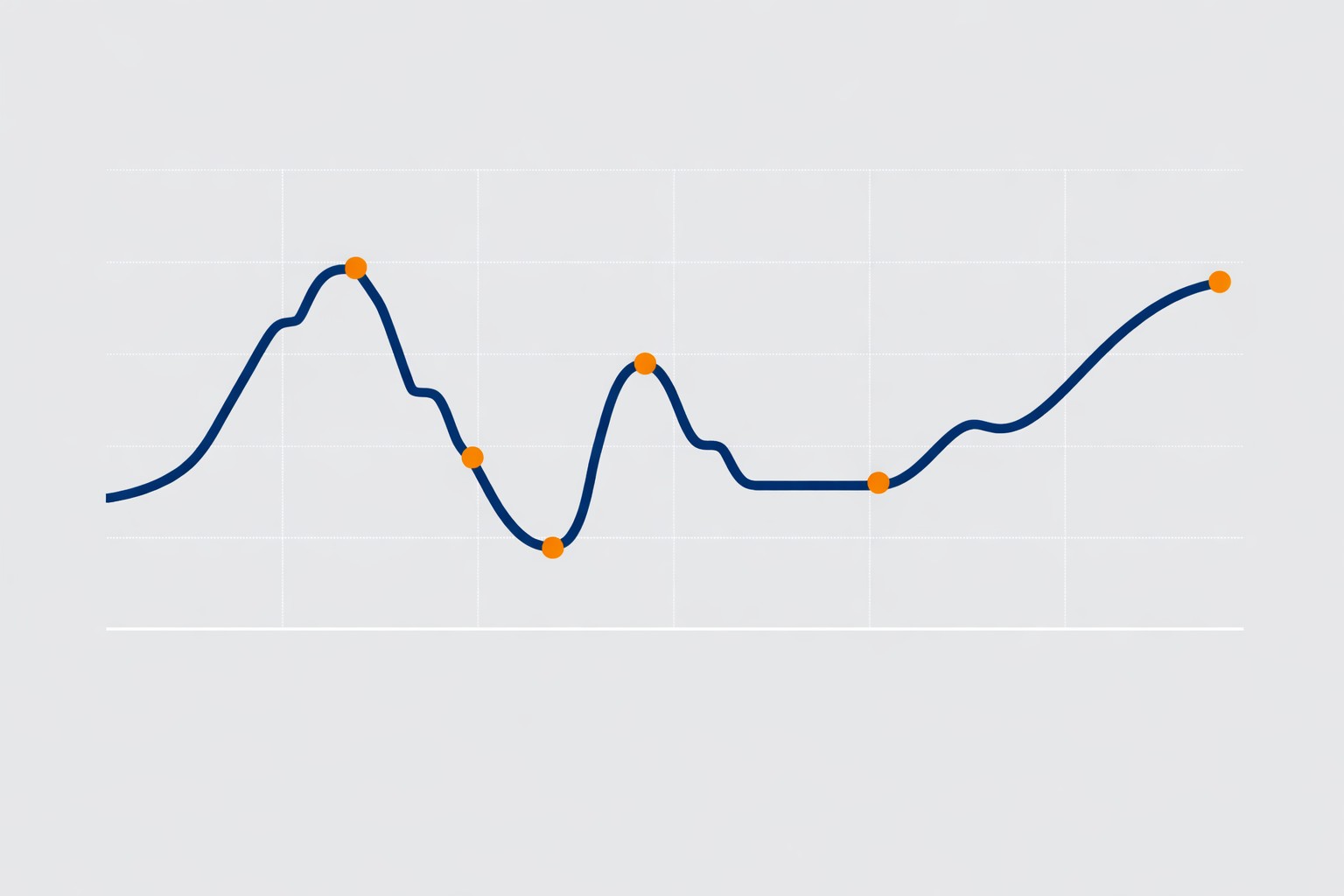
Financial markets showed little immediate movement following the speech, reflecting the largely expected nature of Powell’s message. Bond yields remained steady while equity futures held near recent highs. Traders interpreted the comments as a reaffirmation of the status quo rather than a signal of new policy direction.
Political reactions split along familiar lines. Some Democratic lawmakers praised Powell for highlighting institutional norms, while several Republican voices argued that greater accountability would improve Fed performance. Former Treasury officials from both parties largely welcomed the emphasis on independence.
- Former Treasury Secretary Janet Yellen called the remarks “timely and measured.”
- Several GOP senators reiterated calls for regular performance audits of the Fed.
- Academic economists noted that similar warnings have appeared after previous periods of heightened partisanship.
Historical Roots of Central Bank Autonomy
The Federal Reserve’s modern independence traces largely to the 1951 Treasury-Fed accord that ended direct political control over interest-rate decisions. Since that agreement, chairs from William McChesney Martin onward have navigated tensions with the White House while maintaining operational freedom.
Studies by the International Monetary Fund and academic researchers have repeatedly linked greater central-bank independence to lower average inflation and more stable long-term growth expectations. Powell’s tenure provided another data point, with unemployment reaching a 50-year low of 3.4 percent before the pandemic and inflation returning to target after the 2022 spike.
Implications for the Next Generation of Policymakers
With Powell now outside official circles, attention turns to how his successor and the current Board of Governors will handle ongoing political pressures. Markets will watch closely for any signs that future rate decisions incorporate electoral considerations rather than economic fundamentals.
Legal scholars point out that statutory protections for Fed governors remain robust, yet informal norms of restraint have proven equally important. Powell’s intervention may strengthen those norms at a moment when public trust in many institutions has declined.
Outlook for Institutional Resilience
Observers expect Powell to continue occasional public appearances focused on economic education and governance issues. His post-tenure voice could serve as a reference point during future debates over Fed reform or leadership transitions.
Ultimately, the former chairman’s message reinforced a long-standing consensus that credible monetary policy depends on perceived impartiality. Whether that message resonates beyond the current political moment remains an open question for policymakers and the public alike.
Disclaimer: This content is aggregated from verified external sources for global news and information purposes only.