
Israeli Forces Strike Hezbollah Targets in Southern Lebanon Amid Intensifying Clashes
Israeli military aircraft carried out a series of strikes on Hezbollah positions in southern Lebanon overnight, targeting what the Israel Defense Forces described as command centers and weapons storage facilities. The action comes as cross-border exchanges have sharply intensified in recent days, with Hezbollah launching dozens of rockets into northern Israel and Israeli forces responding with both airstrikes and artillery fire.
Details of the Latest Strikes
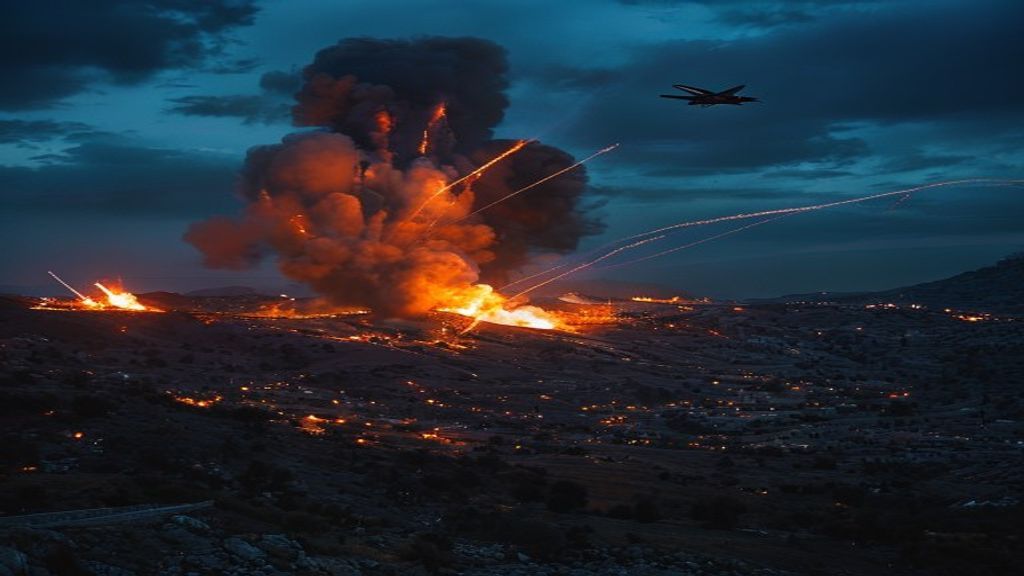
According to official statements from the IDF, the strikes focused on areas near the towns of Kafr Kila and Marjayoun, where Hezbollah fighters have maintained launch sites used for recent rocket barrages. Lebanese security sources reported at least four separate impact sites, with some damage to civilian infrastructure including roads and agricultural land. No immediate casualties have been confirmed by Lebanese authorities, though local hospitals were placed on alert.
Video footage shared on social media showed plumes of smoke rising from the targeted zones shortly after midnight local time. The IDF said the operation was conducted in response to over 40 rockets fired toward Israeli communities earlier in the day, some of which triggered air raid sirens as far south as Haifa.
Historical Context of the Border Conflict
The current round of hostilities traces back to October 8, 2023, when Hezbollah began firing rockets into Israel in solidarity with Hamas following the group's attack on southern Israel. Since then, the two sides have engaged in a limited but sustained war of attrition along the border. More than 60,000 residents on the Israeli side have been evacuated from communities within range of Hezbollah rockets, while tens of thousands of Lebanese have also fled villages near the frontier.
Aerial view of smoke rising from strike sites near the Israel-Lebanon border at dawn
Previous escalations have included Israeli strikes deep into Lebanese territory and Hezbollah's use of advanced anti-tank missiles against Israeli military outposts. Diplomatic efforts led by the United States and France have so far failed to produce a lasting ceasefire agreement that would allow displaced civilians to return home.
Reactions from Key Players
Israeli Prime Minister Benjamin Netanyahu said in a statement that "Israel will not tolerate ongoing attacks on its citizens and will continue to act decisively against Hezbollah." The Lebanese government condemned the strikes as a violation of its sovereignty and called for an immediate end to hostilities, warning of the risk of all-out war.
Hezbollah issued a statement vowing to continue its operations until Israel ends its military campaign in Gaza. The group claimed it had successfully targeted Israeli military positions in response to the latest airstrikes. The United States expressed concern over the rising tensions and urged both sides to exercise restraint, with State Department officials noting ongoing diplomatic contacts with Israel and Lebanon.
Expert Analysis and Escalation Risks
Analysts at the International Crisis Group note that the current pace of exchanges represents the most intense period since the 2006 Israel-Hezbollah war. "Both sides appear to be testing the limits of what the other will tolerate without triggering a full-scale invasion," said Lina Khatib, head of the Middle East and North Africa programme at Chatham House.
Israeli military vehicles positioned along the northern border with Lebanon
Military experts point out that Hezbollah has significantly expanded its rocket arsenal since 2006, with estimates suggesting more than 150,000 projectiles capable of reaching deep into Israel. At the same time, Israel's Iron Dome defense system has intercepted the majority of recent attacks, limiting casualties but not eliminating the psychological and economic toll on northern communities.
Broader Regional and Global Implications
The fighting carries risks beyond the immediate border area. Iran, which provides financial and military support to Hezbollah, has warned that further Israeli escalation could draw in other proxy groups across the region. Oil markets have already shown volatility, with Brent crude rising two percent on news of the strikes.
Lebanon's fragile economy, already strained by years of financial crisis and political paralysis, faces additional pressure from the displacement of southern residents and potential damage to tourism and agriculture. International aid organizations have begun contingency planning for a possible large-scale humanitarian emergency.
What to Watch in Coming Days
Diplomatic efforts are expected to intensify, with U.S. and French envoys scheduled to hold talks in Beirut and Jerusalem. Observers will be monitoring whether Hezbollah responds with a major barrage or whether both sides pull back from the brink. Any significant Israeli ground operation into Lebanon would mark a dramatic escalation with unpredictable consequences for the wider Middle East.
Disclaimer: This article is based on reporting available at the time of publication and draws from official statements, local sources, and expert commentary. Developments in active conflict zones can change rapidly; readers are advised to consult multiple verified news outlets for the latest updates.
Disclaimer: This content is aggregated from verified external sources for global news and information purposes only.