
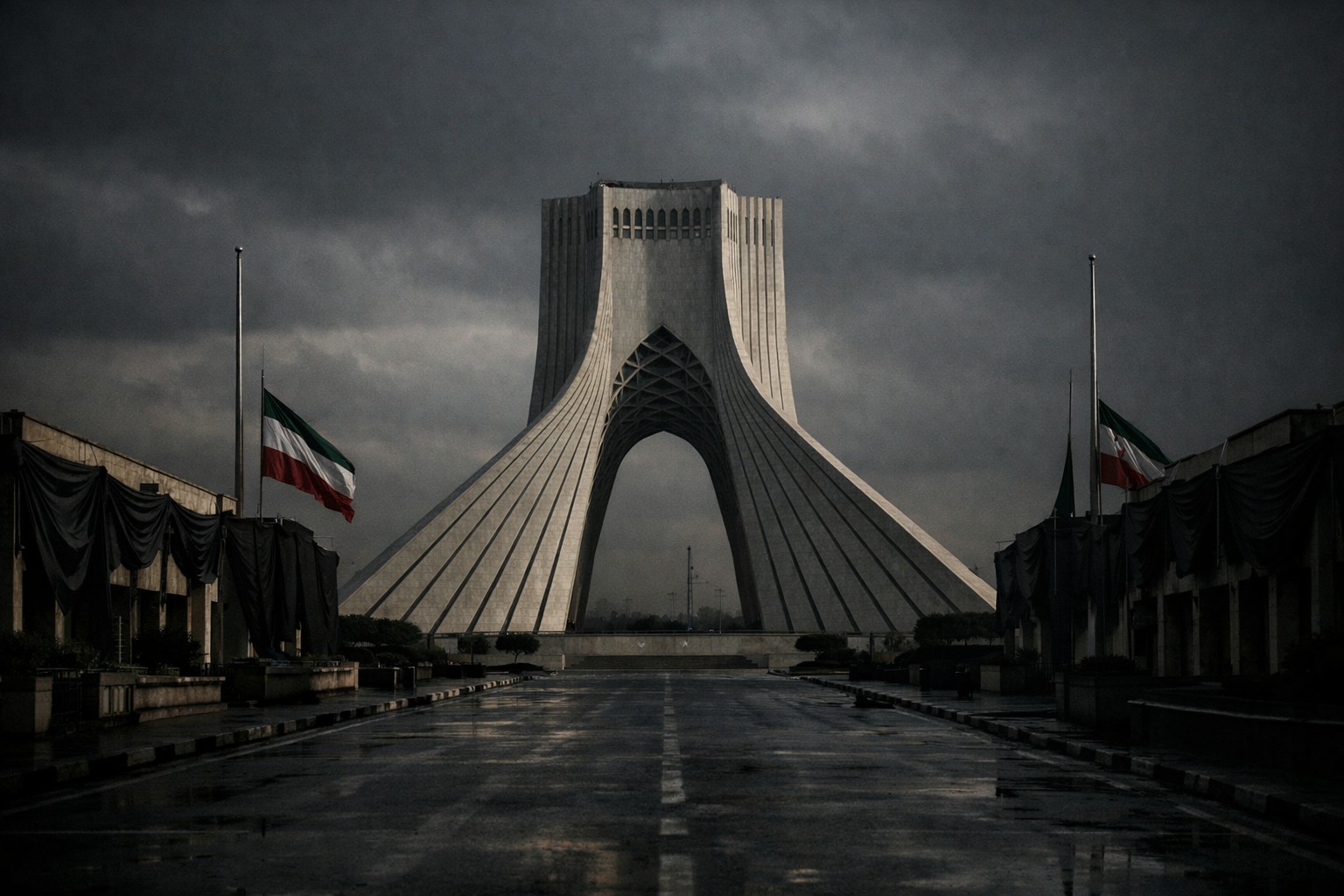
Iran Announces State Funeral for Ayatollah Khamenei
The Islamic Republic of Iran has declared a three-day national mourning period and scheduled a large-scale state funeral for Supreme Leader Ayatollah Ali Khamenei. Authorities described the ceremonies as a tribute to the cleric who shaped the country’s direction for more than three decades. The events are set to unfold in mid-June 2026.
Funeral Plans Span Multiple Cities
State television broadcast the announcement late Tuesday, stating that mourning processions will begin in Tehran before moving to Qom and Mashhad. Officials said public institutions, schools and banks will close for the duration of the observances. Security forces have been placed on high alert at major squares and along procession routes.
The government has invited foreign dignitaries to attend the main ceremony at Tehran’s Mosalla prayer grounds. Organizers expect hundreds of thousands of mourners, drawing on the scale of past events such as the 1989 funeral for Ayatollah Ruhollah Khomeini.
Khamenei’s Path From Revolutionary to Supreme Leader
Ali Khamenei was born in 1939 in Mashhad and rose through clerical ranks during the 1960s and 1970s. He participated in the 1979 Islamic Revolution and held several senior posts before parliament elected him Supreme Leader in June 1989, two months after Khomeini’s death.
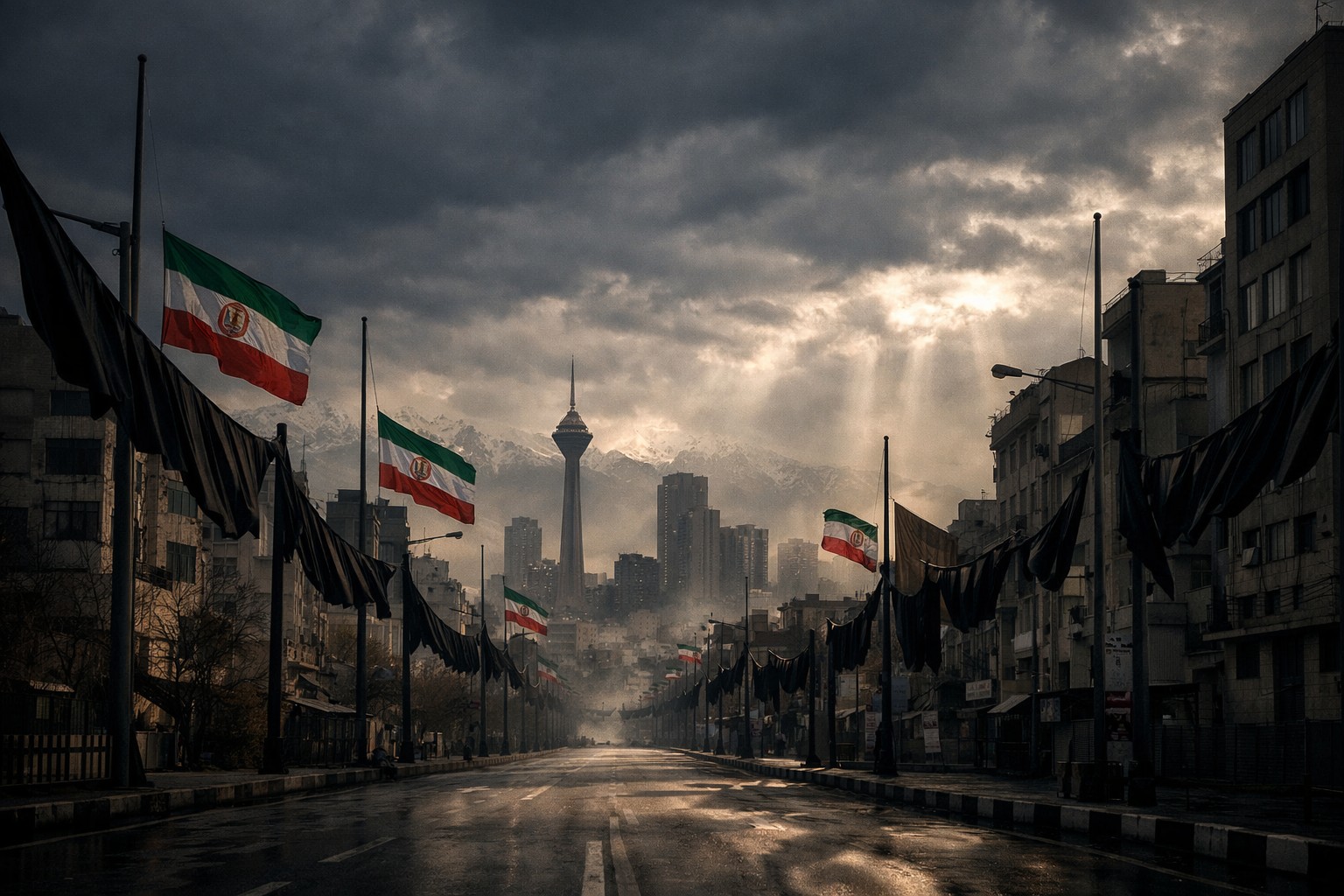
During his tenure, Iran expanded its nuclear program, supported allied militias across the Middle East and weathered repeated waves of domestic protest. Economic data from the World Bank show Iran’s GDP per capita rose modestly in the 1990s before stagnating under successive rounds of international sanctions.
- Assumed office: June 1989
- Re-elected by Assembly of Experts: 2005 and 2012
- Key policies: nuclear enrichment, regional proxy networks, strict social codes
Security Tightened Ahead of June Ceremonies
Authorities have restricted vehicle access to central Tehran and deployed additional Revolutionary Guard units along expected routes. Similar precautions accompanied the 2020 funeral for General Qassem Soleimani, which drew millions despite the ongoing pandemic at the time.
Analysts note that large gatherings can serve as both expressions of loyalty and outlets for dissent. Several recent protest movements began during officially sanctioned events before turning into broader demonstrations.
World Leaders Offer Measured Responses
The White House issued a brief statement acknowledging the announcement without commenting on the circumstances of Khamenei’s death. European Union foreign policy chief Kaja Kallas said Brussels would monitor developments closely and urged restraint from all sides.
The European Union respects the right of the Iranian people to determine their future while calling for calm during this period of transition.
Regional capitals from Riyadh to Ankara released similarly cautious statements, reflecting the complex web of rivalries and diplomatic channels that have defined relations with Tehran.
Succession Debate Intensifies Inside Iran
The 88-member Assembly of Experts is constitutionally tasked with selecting the next Supreme Leader. Potential candidates include senior clerics such as Ayatollah Sadegh Larijani and President Ebrahim Raisi, though no frontrunner has emerged publicly.
Observers point to the possibility of a collective leadership model or a temporary council to manage the transition. Such arrangements have been discussed in private clerical circles for years but never implemented.
Regional Tensions and Nuclear Outlook
Israel and several Gulf states have long viewed Khamenei as the architect of Iran’s support for groups such as Hezbollah and the Houthis. Any leadership change could alter the pace of indirect nuclear talks or the tempo of shadow confrontations in Syria and Iraq.
Oil markets reacted modestly to the news, with Brent crude rising less than two percent in early trading. Traders cited uncertainty over whether a successor would maintain current export volumes or seek sanctions relief through renewed diplomacy.
What Comes Next for Iran’s Theocracy
Domestic economic challenges remain pressing, with inflation hovering near 40 percent and youth unemployment above 20 percent according to official statistics. A new Supreme Leader will inherit these problems along with decisions on whether to deepen engagement with China and Russia or pursue limited openings to the West.
Public reaction in the coming weeks will offer clues about the stability of the post-Khamenei order. State media have urged citizens to honor the late leader’s memory through orderly participation in the scheduled mourning events.
Disclaimer: This content is aggregated from verified external sources for global news and information purposes only.