

India and US Near Trade Pact With Section 301 Tariff Relief in Focus
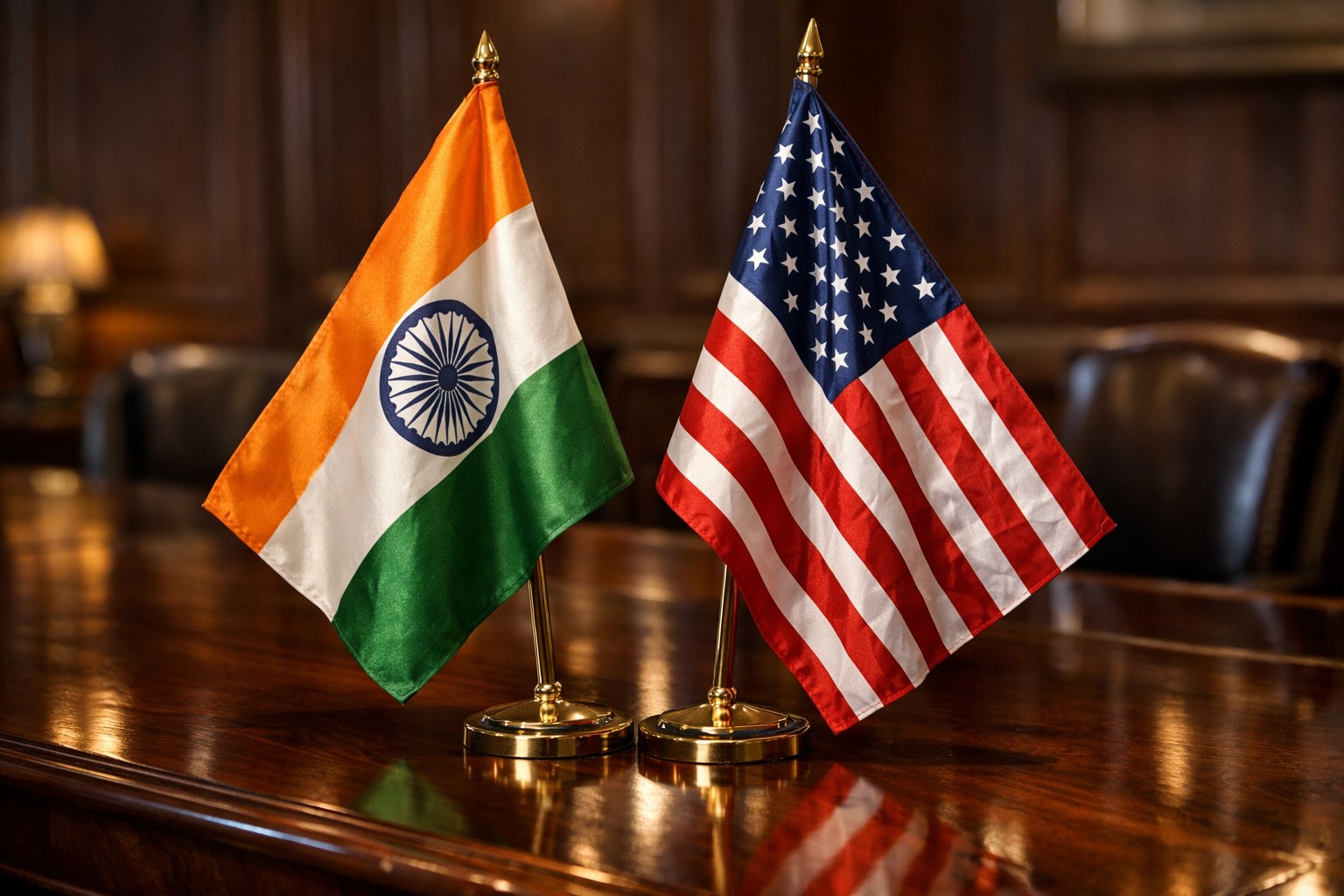
India and the United States are edging closer to a bilateral trade agreement that could reshape economic ties between the world’s two largest democracies. Sources close to the talks say the final contours now hinge largely on Washington offering relief from tariffs linked to Section 301 investigations.
Tariff Relief Emerges as Linchpin
Section 301 of the Trade Act of 1974 has long served as a tool for the United States to address unfair foreign trade practices. In recent months, Indian officials have pressed for exemptions or reductions on duties affecting key exports such as textiles, pharmaceuticals and information technology services. The proposed relief would mark a significant concession and could unlock broader market access commitments from New Delhi.
Negotiators on both sides have narrowed differences on rules of origin and digital trade provisions. Yet the tariff question remains the most sensitive item still under discussion. A senior official familiar with the process described it as the “last major hurdle” before a signing ceremony could be scheduled.
Two Decades of Fits and Starts
Trade relations between India and the United States have experienced cycles of optimism and friction since the early 2000s. Bilateral goods and services trade reached approximately $190 billion in 2023, yet persistent barriers have prevented a comprehensive pact. Earlier attempts, including a mini-trade deal floated in 2019, collapsed over disagreements on dairy, medical devices and intellectual property.
India’s withdrawal from the Regional Comprehensive Economic Partnership in 2019 and the United States’ focus on China under multiple administrations further complicated talks. Both capitals now see renewed urgency driven by supply-chain diversification and strategic competition with Beijing.
Section 301 Explained in Context
Section 301 authorizes the U.S. Trade Representative to impose tariffs or other measures when foreign practices are deemed unjustifiable or discriminatory. While the statute gained notoriety during the U.S.-China trade war, it has also been invoked against India in past disputes over intellectual property and digital services taxes.
- India currently faces duties on certain steel and aluminum products under separate Section 232 authority.
- Pharmaceutical exports have been scrutinized for pricing and patent practices in previous Section 301 reviews.
- Relief would likely take the form of tariff-rate quotas or phased reductions rather than outright elimination.
Analysts note that any carve-out for India could set a precedent for other partners seeking similar treatment.
Delhi and Washington Weigh Domestic Politics
Indian negotiators must balance concessions with the interests of politically influential sectors such as agriculture and small-scale manufacturing. Prime Minister Narendra Modi’s government is mindful of upcoming state elections and the need to protect domestic producers from sudden import surges.

“We are committed to a fair and balanced agreement that benefits both our economies while safeguarding sensitive sectors,” an Indian commerce ministry spokesperson said in a recent statement.
On the U.S. side, the Biden administration faces pressure from labor unions and lawmakers wary of opening markets too quickly. Congressional committees have signaled they will scrutinize any deal for strong labor and environmental provisions.
Potential Winners and Losers Across Sectors
American exporters of almonds, walnuts and medical equipment stand to gain improved access to India’s vast consumer market. Indian technology firms could see smoother visa processes and reduced scrutiny on services exports if digital trade chapters are finalized favorably.
Domestic manufacturers in both countries remain cautious. Textile associations in India worry about competition from U.S. synthetic fiber producers, while American generic drug makers fear expanded Indian market share. Economists estimate the pact could add 0.3 to 0.5 percentage points to India’s annual GDP growth over five years if fully implemented.
Global Ripple Effects and Strategic Timing
A completed agreement would arrive at a moment of shifting global alliances. The United States has been courting India as a counterweight to Chinese influence in the Indo-Pacific through frameworks such as the Quad. An economic deal would complement those security initiatives.
European and Japanese officials are watching closely. Both have their own stalled trade talks with India and could face renewed pressure if New Delhi grants preferential terms exclusively to Washington. Supply-chain experts also point to potential acceleration of “China-plus-one” strategies by multinational corporations.
Next Steps and Lingering Uncertainties
Technical teams are expected to meet again within weeks to finalize tariff schedules and dispute-settlement mechanisms. A political-level announcement could follow if negotiators clear the remaining Section 301 issues. Timing may also depend on the U.S. electoral calendar and India’s domestic political rhythm.
Even if a deal is signed, implementation will require legislative or regulatory actions on both sides. Observers caution that past near-misses underscore how quickly political winds can shift.
This article draws on reporting from multiple sources and reflects developments as of the latest available information. Trade negotiations can evolve rapidly; readers should consult official statements for the most current status.
Disclaimer: This content is aggregated from verified external sources for global news and information purposes only.