
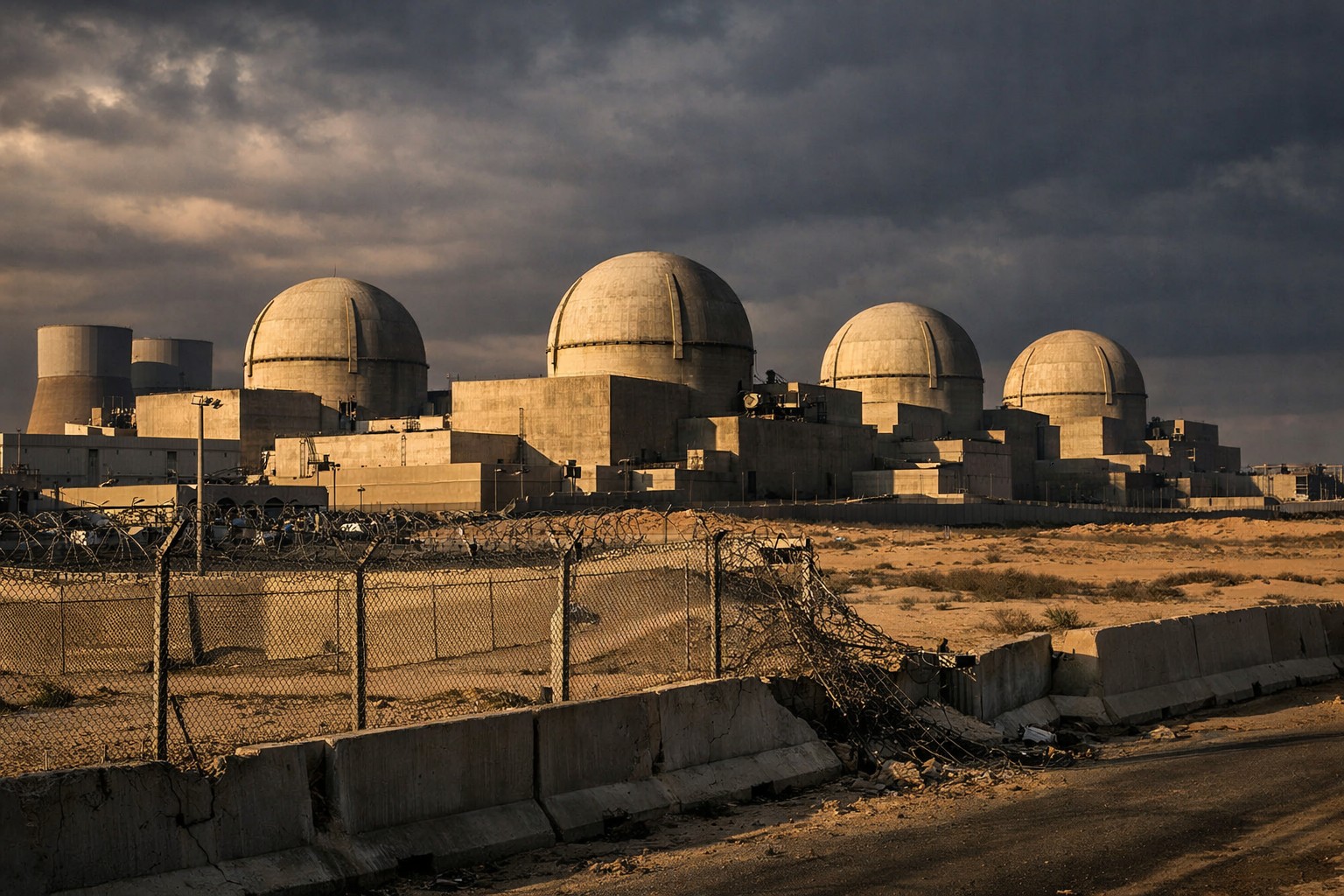
IAEA Offers Technical Support to UAE After Nuclear Plant Attack
The International Atomic Energy Agency has offered immediate technical assistance to the United Arab Emirates following an attack on the Barakah nuclear power plant, the country’s only operating nuclear facility. The move signals rising alarm over the physical security of atomic infrastructure across the Gulf.
Attack Targets Barakah Power Station
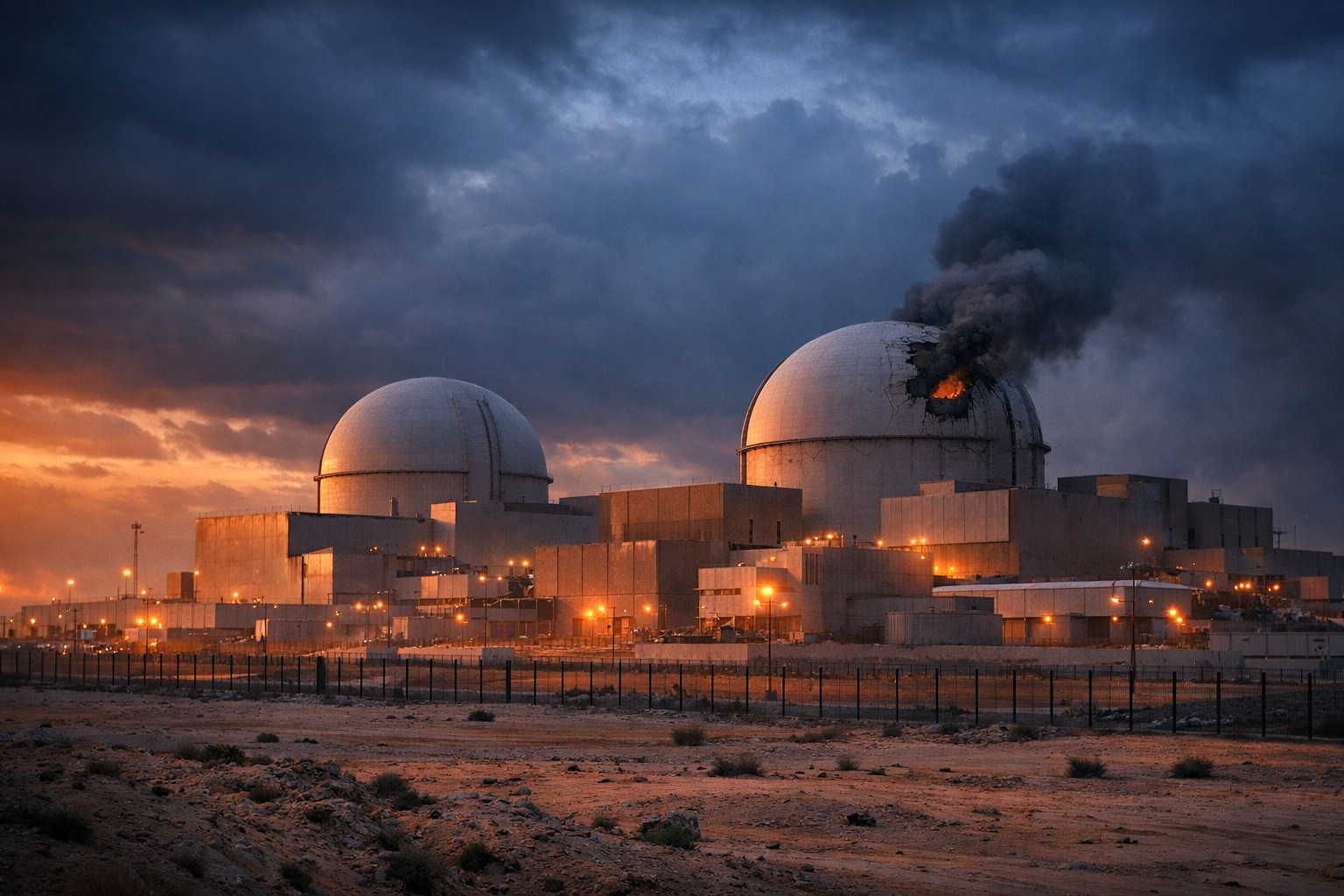
Reports indicate that the incident occurred at the Barakah site in the western region of Abu Dhabi. UAE authorities have not released full details on the nature of the attack or any casualties, but initial assessments point to external interference rather than an internal accident.
Emergency protocols were activated and the affected reactor unit was placed in safe shutdown mode. No radiation release has been detected so far, according to preliminary monitoring by local operators.
- Four APR-1400 reactors designed for 5.6 gigawatts total capacity
- First reactor connected to the grid in August 2020
- Full commercial operation achieved across all units by 2024
UAE Nuclear Program Reaches Critical Milestone
The Barakah plant represents the first successful nuclear power project in the Arab world. Built in partnership with South Korea’s KEPCO, the facility was developed under strict non-proliferation standards that prohibit domestic uranium enrichment and spent-fuel reprocessing.
Since the program’s launch in 2008, the UAE has positioned itself as a model for peaceful nuclear energy development in the region. The country maintains a comprehensive safeguards agreement with the IAEA and has undergone regular inspections.
Energy officials had planned to use Barakah output to meet up to 25 percent of the UAE’s electricity demand by the end of the decade, reducing reliance on natural gas.
IAEA Mobilizes Technical Experts
In response to the incident, IAEA Director General Rafael Mariano Grossi contacted UAE leadership within hours. The agency is deploying specialists in nuclear safety, physical protection, and radiation monitoring.
We are ready to provide whatever technical support the United Arab Emirates requires to assess the situation and reinforce the security of its nuclear facilities.
The assistance package includes on-site evaluation of damage, review of physical protection systems, and recommendations for strengthening perimeter defenses. IAEA teams are expected to arrive in Abu Dhabi within 48 hours.
Regional Security Fears Intensify
The attack comes amid ongoing instability across the Middle East, where nuclear facilities have become potential targets in shadow conflicts. Yemen-based Houthi forces and Iran-linked groups have previously threatened energy infrastructure in Gulf states.
Analysts note that while no group has claimed responsibility, the timing coincides with heightened maritime tensions in the Strait of Hormuz and recent strikes on shipping lanes. UAE officials have vowed a thorough investigation.
International Partners Express Concern
The United States, South Korea, and European governments issued statements of support for the UAE’s nuclear safety measures. Washington emphasized that any deliberate strike on a nuclear installation risks catastrophic consequences and violates international norms.
Neighboring Saudi Arabia, which is considering its own nuclear power program, is closely monitoring developments. Riyadh has requested additional briefings from both the UAE and the IAEA.
Long-Term Impact on Gulf Energy Plans
The incident is likely to prompt a regional review of nuclear security standards. Experts warn that future projects, including planned reactors in Saudi Arabia and potential facilities elsewhere, may face stricter physical protection requirements and higher insurance costs.
Despite the setback, UAE officials insist the Barakah plant will resume full operation once safety is verified. The episode underscores both the promise and the vulnerability of nuclear energy in a volatile region.
Disclaimer: This content is aggregated from verified external sources for global news and information purposes only.