
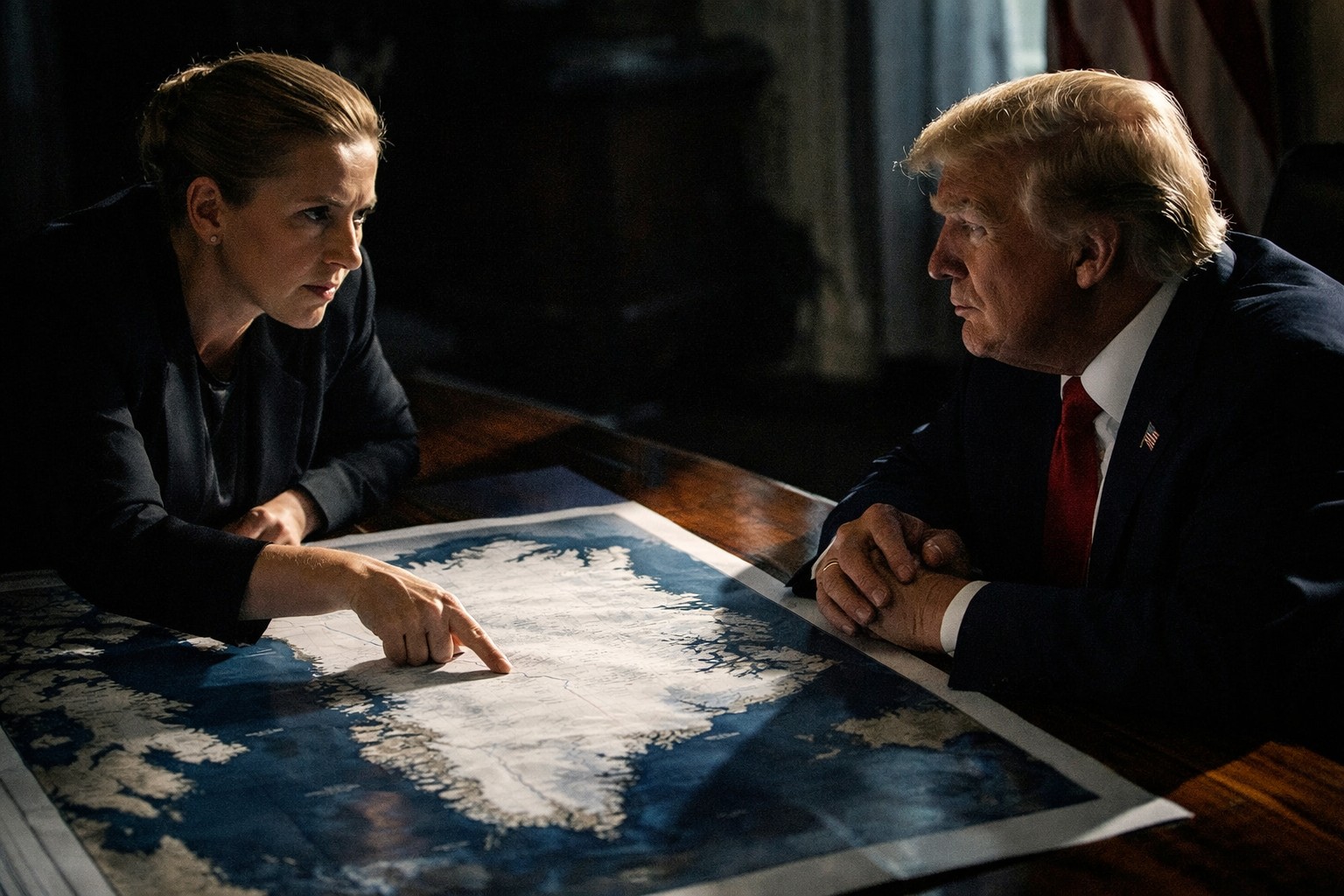
Frederiksen Forms Danish Coalition Amid Trump Greenland Rift
Denmark's Prime Minister Mette Frederiksen has reached an agreement to assemble a center-left coalition government, reinforcing her hold on power even as relations with Washington enter a turbulent phase over the strategic Arctic territory of Greenland. The development comes at a moment when President Donald Trump has renewed questions about the island's status, reviving old tensions that date back to his first term. Frederiksen's Social Democrats appear positioned to lead a minority administration with support from smaller left-leaning parties, avoiding the need for a broader grand coalition.
Frederiksen Seals Coalition to Retain Power
Negotiations concluded late Tuesday with the Social Democrats securing backing from the Socialist People's Party and the Danish Social Liberal Party. The arrangement gives Frederiksen the parliamentary majority required to govern without inviting right-wing partners into the cabinet. Key policy priorities include expanded welfare programs, green energy investments, and a firm stance on Arctic sovereignty.
Officials close to the talks described the process as unusually swift compared with previous Danish government formations. The speed reflects a shared desire among center-left parties to present a united front during the ongoing diplomatic friction with the United States. Frederiksen is expected to present her new ministerial lineup to Parliament within the next ten days.
Greenland Dispute Strains Transatlantic Ties
The coalition breakthrough coincides with sharp exchanges between Copenhagen and Washington regarding Greenland. Trump has publicly floated renewed interest in acquiring the territory, citing its mineral wealth and military significance. Danish officials have repeatedly rejected any sale, describing the idea as non-negotiable.
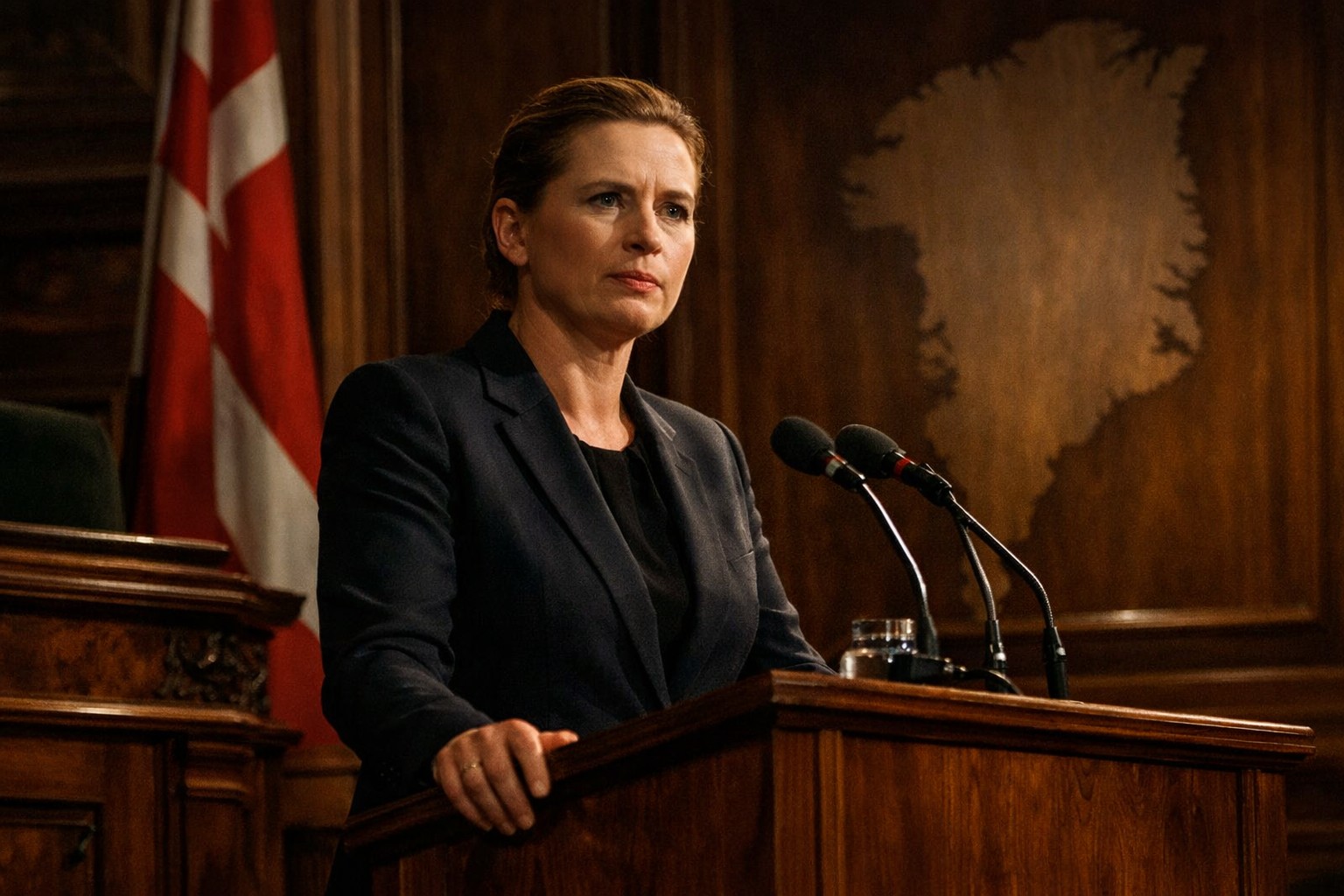
Greenland is not Danish to sell. The people of Greenland decide their own future, and that future lies with the Kingdom of Denmark.
US officials have not detailed concrete proposals, yet the rhetoric alone has prompted emergency consultations at NATO headquarters. Analysts note that any perception of American pressure risks complicating intelligence sharing and joint Arctic exercises already planned for next year.
A Decade of Shifting Arctic Priorities
Greenland has held autonomous status within the Danish realm since 1979, managing most domestic affairs while Copenhagen retains control over foreign policy, defense, and currency. The island's 56,000 residents have long debated greater independence, though economic dependence on Danish subsidies remains substantial.
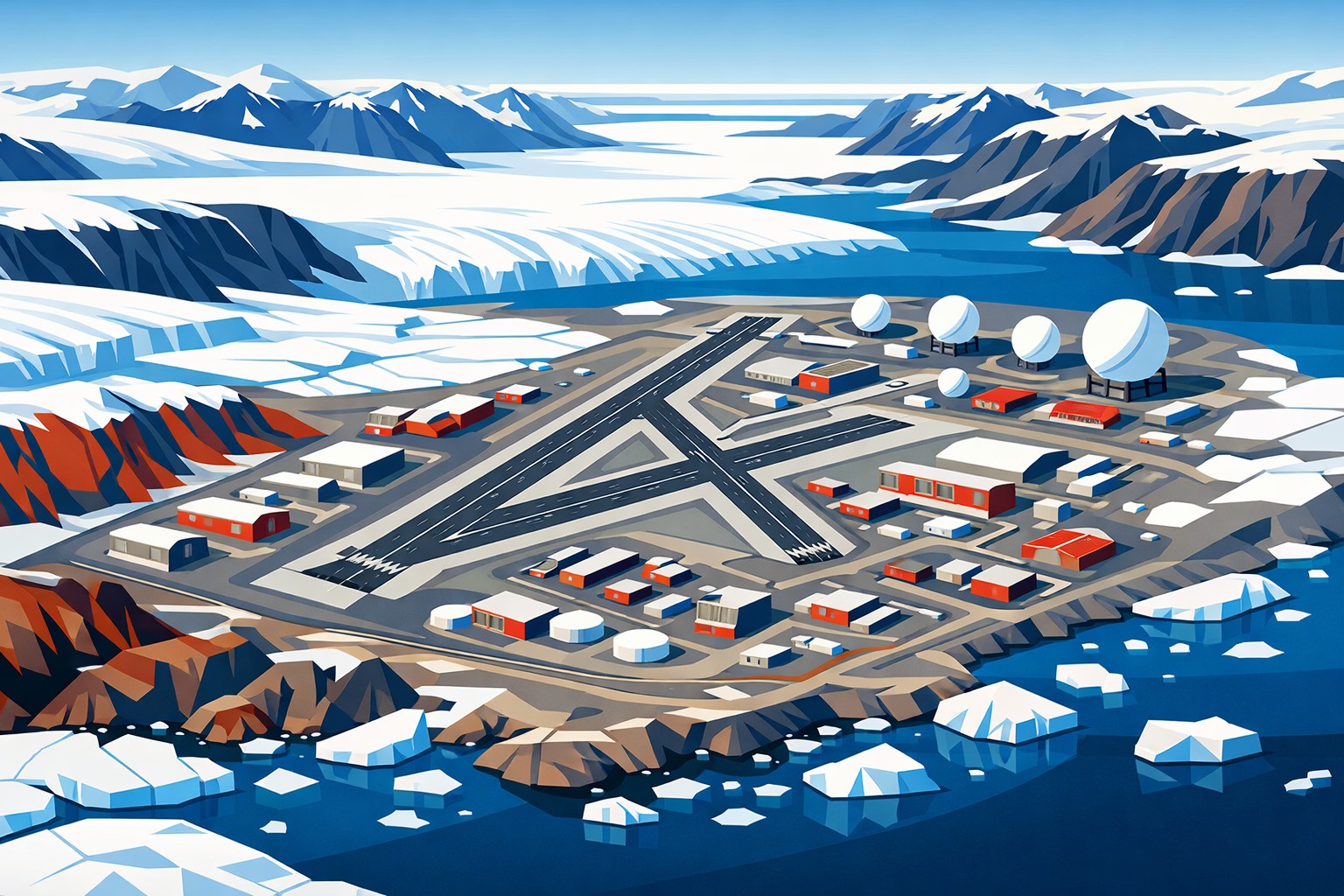
American interest is not new. The United States maintains Thule Air Base in the northwest, a critical radar and space-tracking facility. During World War II and the Cold War, Washington viewed the territory as a forward defensive outpost against Soviet submarines. Climate change has since opened new shipping lanes and exposed rare-earth deposits that China and Russia also covet.
- Greenland holds an estimated 25 percent of the world's untapped rare-earth reserves.
- Annual Danish subsidies total roughly 4 billion Danish kroner.
- Thule Air Base hosts more than 600 US personnel year-round.
Washington and Copenhagen Exchange Sharp Words
The State Department declined to comment on specific purchase overtures but emphasized America's commitment to Arctic security through NATO. Danish Foreign Minister Lars Løkke Rasmussen canceled a planned visit to Washington last week after reports surfaced that Trump aides had discussed economic incentives tied to greater US access.
We value our alliance with the United States, yet sovereignty is not a bargaining chip. Denmark will continue to defend Greenland's right to chart its own course.
European Commission President Ursula von der Leyen voiced support for Denmark in a phone call with Frederiksen, underscoring Brussels' interest in protecting EU member states' overseas territories. Greenland itself is not an EU member but benefits from Danish representation in Brussels.
Strategic Stakes Rise Across the Arctic
Defense experts warn that renewed US pressure could accelerate Greenland's independence timeline, potentially creating a power vacuum that China or Russia might seek to fill. Beijing has already attempted to finance airport upgrades on the island before Danish intervention blocked the projects on security grounds.
Frederiksen's new government plans to increase Danish defense spending in the Arctic by 15 percent over the next five years. The funds would support additional patrol vessels and satellite monitoring, measures designed to reassure both NATO allies and Greenlandic voters.
Outlook for Danish Leadership and NATO
Political observers expect the coalition to survive at least until the next scheduled election in 2027, provided economic conditions remain stable. Frederiksen's personal approval ratings have held steady despite the diplomatic noise, largely because Danish voters view her defense of Greenland favorably.
Longer term, the episode highlights how Arctic issues are migrating from niche environmental concerns to core national-security debates. Both Copenhagen and Washington will need to manage expectations carefully to prevent a localized dispute from eroding broader transatlantic cooperation on Russia and China.
Disclaimer: This content is aggregated from verified external sources for global news and information purposes only.