
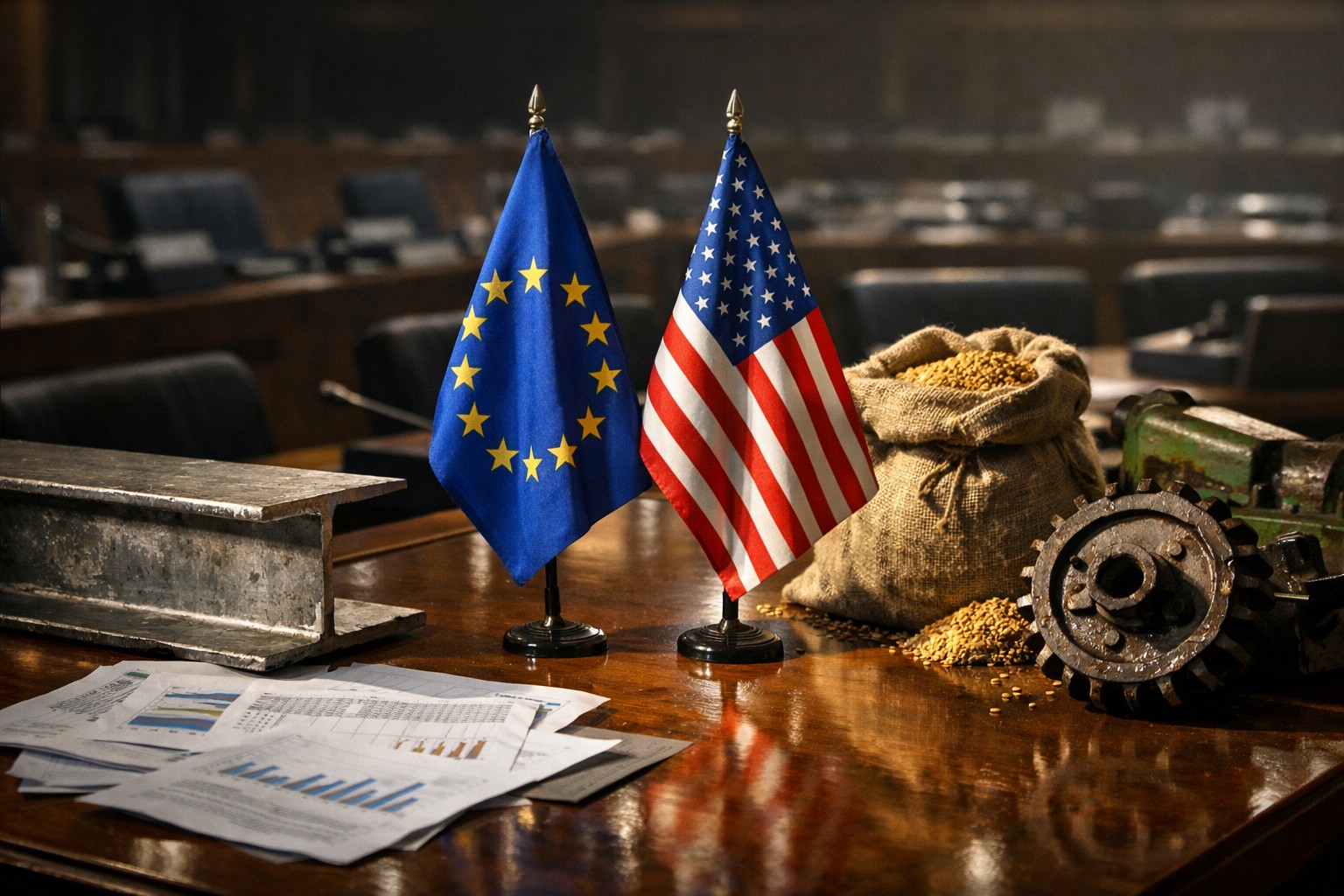
EU Trade Panel Backs Tariff Cuts on US Goods to Ease Tensions
The European Union's trade committee delivered a decisive 31-6 vote this week to eliminate tariffs on a wide range of American industrial and agricultural products, a move designed to head off new trade barriers threatened by the United States.
31-6 Vote Signals Broad Committee Support
Committee members gathered in Brussels and quickly reached consensus on the package after several rounds of closed-door negotiations. The lopsided margin surprised some observers who had expected more resistance from member states protective of their domestic industries.
Officials described the outcome as a pragmatic response to mounting external pressure rather than a wholesale shift in long-standing trade philosophy. Several smaller member states that usually defend agricultural safeguards ultimately backed the text once assurances on sensitive sectors were included.
Trump Deadline Forces Rapid Action
Washington has set a July 4 cutoff for reciprocal tariff relief, and EU diplomats have treated the date as immovable. Failure to act before then would trigger an automatic increase in duties on European cars, machinery and luxury goods entering the American market.

Negotiators on both sides have held weekly video calls since early spring to narrow differences. The latest committee decision removes one of the final procedural hurdles inside the EU system.
We are working against a hard calendar and the committee result gives us the runway we need.
European Commission trade officials now expect the full Parliament to rubber-stamp the agreement on June 16, leaving a narrow window for final legal scrubbing before the American deadline.
Which Products Would See Duties Removed
The draft regulation targets more than 1,200 tariff lines covering industrial machinery, chemicals, medical devices and certain processed foods. Agricultural items include almonds, walnuts and selected wine categories currently facing duties of up to 12 percent.
- Industrial machinery and pumps currently taxed at 4-7 percent
- Specialty chemicals and plastics facing 5-8 percent duties
- Selected tree nuts and high-value processed foods
- Medical imaging equipment and diagnostic tools
Exclusions remain for passenger vehicles, certain steel products and fresh dairy, reflecting political red lines in Germany, France and Italy.
US Keeps 15 Percent Baseline on EU Exports
American negotiators have made clear that a flat 15 percent tariff on many European goods will stay in place even after the EU liberalizes its own market. The retained duty is intended to address what Washington calls structural imbalances in autos and aerospace.
Brussels has accepted the baseline as the price for avoiding steeper penalties that could have reached 25 percent on automobiles. Industry groups on both continents are now calculating the net effect on supply chains once the new rates take effect.
Transatlantic Trade History Shapes Current Deal
Tensions date back to 2018 when the first Trump administration imposed steel and aluminum tariffs, prompting European retaliation on American motorcycles and bourbon. A fragile truce held during the Biden years but unraveled after the 2024 election.
EU-US goods trade reached approximately 950 billion euros in 2024, according to Eurostat figures. Any broad tariff shift therefore carries immediate consequences for thousands of companies on both sides of the Atlantic.
Industry Groups React to the Package
European automobile and machinery federations issued cautious welcomes while noting that the retained American duties still impose real costs. US farm groups praised the opening for almonds and walnuts but urged further liberalization of dairy.
- American Chamber of Commerce in Brussels called the vote constructive
- European auto suppliers warned of lingering competitive pressure
- US agricultural exporters highlighted gains for tree nuts
Analysts at Bruegel estimate the net tariff reduction could boost bilateral trade volumes by 3 to 5 percent over two years if political risks remain contained.
Parliament Vote and Final Implementation
The June 16 plenary session is expected to pass the measure with minimal amendments. Once approved, the regulation would be published in the Official Journal and enter into force within days, satisfying the American timeline.
EU officials stress that the agreement remains provisional and could be revisited if Washington imposes new duties in other sectors. Both sides continue to discuss digital services taxes and subsidy rules in parallel tracks.
Disclaimer: This content is aggregated from verified external sources for global news and information purposes only.