
Colombia Forces Runoff as Right-Wing Outsider Takes on Leftist Rival
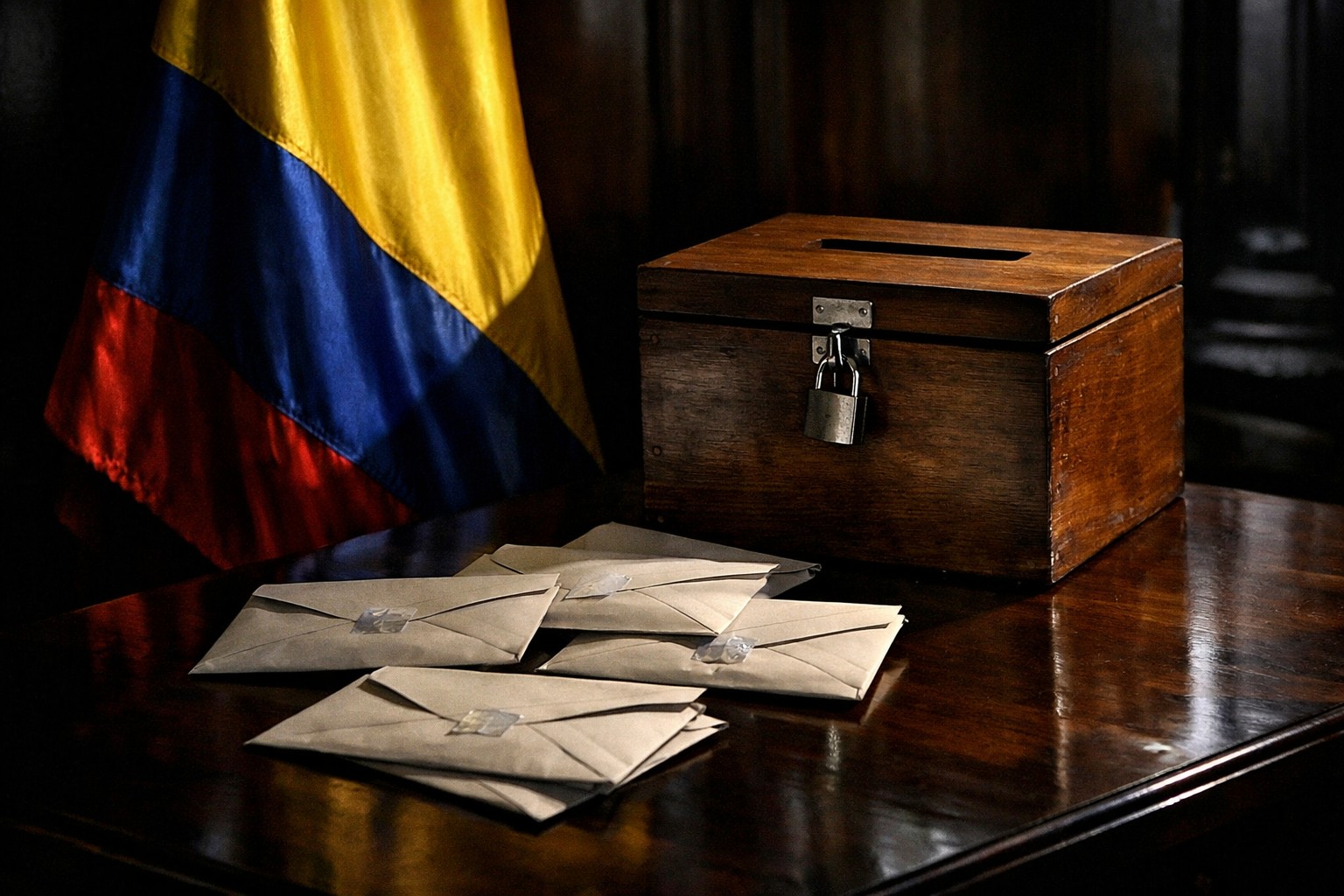
Colombia will hold a presidential runoff in May after right-wing outsider Abelardo De La Espriella edged out a crowded field and forced a second-round showdown with leftist senator Ivan Cepeda, according to official tallies released early Monday.
De La Espriella Surges Past Fragmented Field
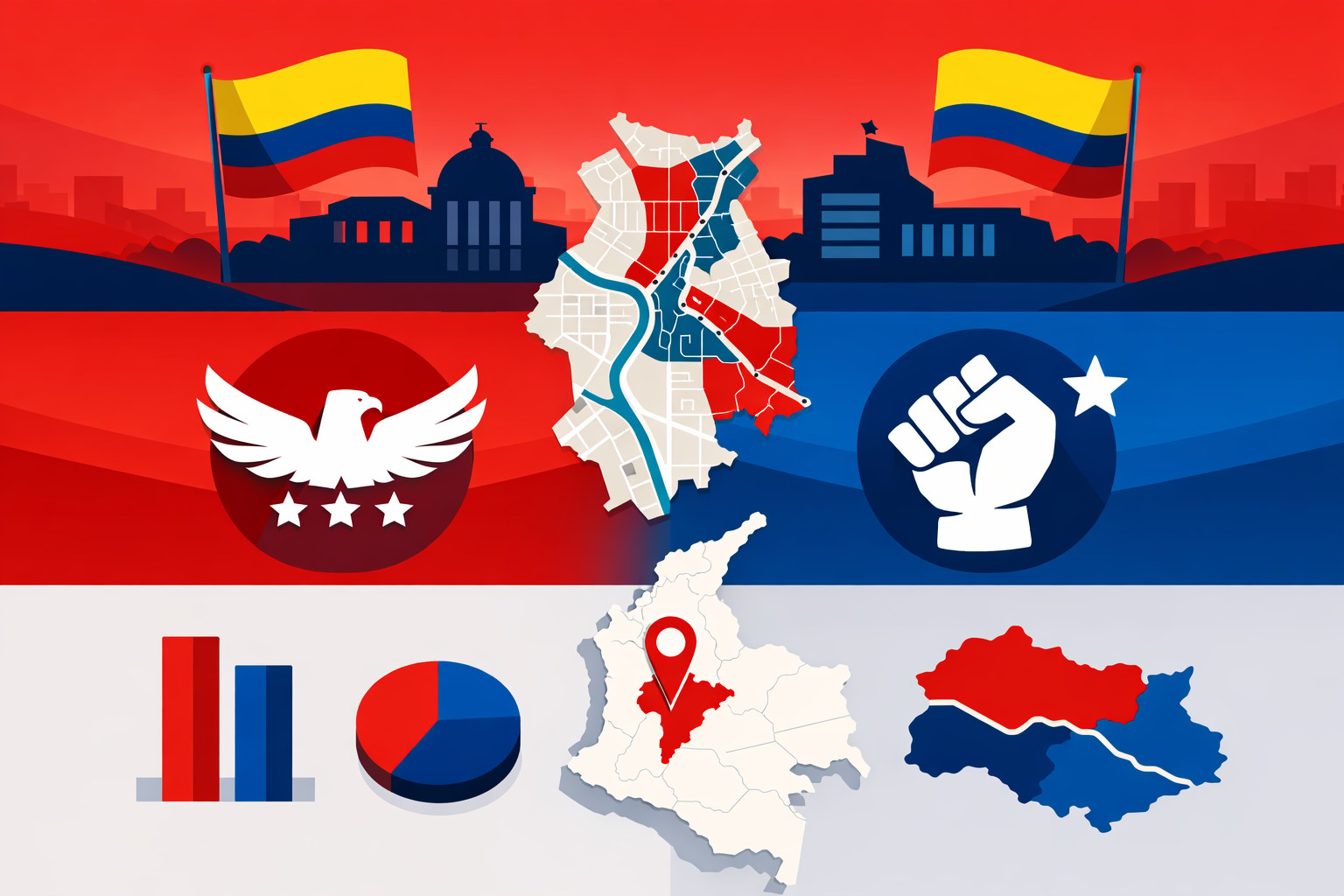
Preliminary figures from the national electoral council gave De La Espriella 31.8 percent of the vote, narrowly ahead of Cepeda’s 28.4 percent. No candidate reached the 50 percent threshold required to avoid a runoff.
Five other contenders split the remaining votes, preventing any frontrunner from consolidating support in the first round. Voter turnout reached 54 percent, slightly above the 2022 level.
Election officials in Bogota confirmed the results after counting more than 95 percent of ballots. The council president stated that final certification would come within 48 hours.
Contrasting Visions Collide in Runoff
De La Espriella, a prominent criminal defense attorney with no prior elected office, campaigned on tougher security measures and reduced state intervention in the economy. His platform resonated strongly in urban centers and among business communities frustrated by persistent inflation.

Cepeda, a long-serving senator and human-rights advocate, positioned himself as the natural heir to the progressive policies of outgoing President Gustavo Petro. He emphasized expanded social programs and continuation of the stalled peace process with armed groups.
This runoff offers voters a clear choice between two fundamentally different paths for Colombia’s future.
Decades of Polarization Shape the Contest
Colombian politics has remained deeply divided since the 2016 peace accord with the FARC guerrilla group. Successive administrations have struggled to implement rural reforms and reduce violence in remote regions.
The 2022 election of Petro marked the first leftist presidency in the country’s modern history. Many analysts view the current race as a referendum on that shift.
- Security concerns remain high in Pacific coast departments
- Youth unemployment hovers near 18 percent nationally
- Foreign investment dropped 12 percent last year
Markets and Allies React to Uncertainty
Colombian bond yields rose modestly on Monday morning as investors digested the prospect of prolonged political uncertainty. The peso weakened slightly against the dollar before recovering.
Washington has maintained close security cooperation with Bogota for decades. U.S. officials declined to comment on the first-round outcome but reiterated support for democratic processes.
Regional leaders from Brazil and Chile offered measured congratulations to both finalists, avoiding any early endorsement that could influence the campaign.
Security and Economy Top Voter Priorities
Polls conducted in the final weeks before the first round showed crime and economic opportunity as the dominant concerns for undecided voters. Rural communities cited ongoing displacement caused by armed groups.
De La Espriella has promised to expand military presence in conflict zones and renegotiate aspects of the peace accord. Cepeda has pledged to accelerate land redistribution and strengthen social safety nets.
Colombians want practical solutions, not ideological battles that have already cost the country too much time.
Campaign Focus Shifts to Swing Regions
Both campaigns will now target the Caribbean coast and central Andean departments where neither candidate dominated in round one. These areas delivered decisive margins in previous elections.
Television debates are scheduled to begin within two weeks. Organizers expect the first head-to-head encounter to draw record viewership.
Analysts note that turnout in the runoff historically increases by six to eight percentage points, potentially altering the current balance if new voters favor one side disproportionately.
Outlook for May Decision
The final vote is set for May 18, leaving both camps roughly seven weeks to consolidate support and court second-choice voters from eliminated candidates.
Whoever wins will inherit a country still grappling with the legacy of decades-long internal conflict and recent economic headwinds. The margin of victory could determine how much political capital the new president can wield in Congress.
Disclaimer: This content is aggregated from verified external sources for global news and information purposes only.