
China Conducts Patrols at Scarborough Shoal After Philippine Warning
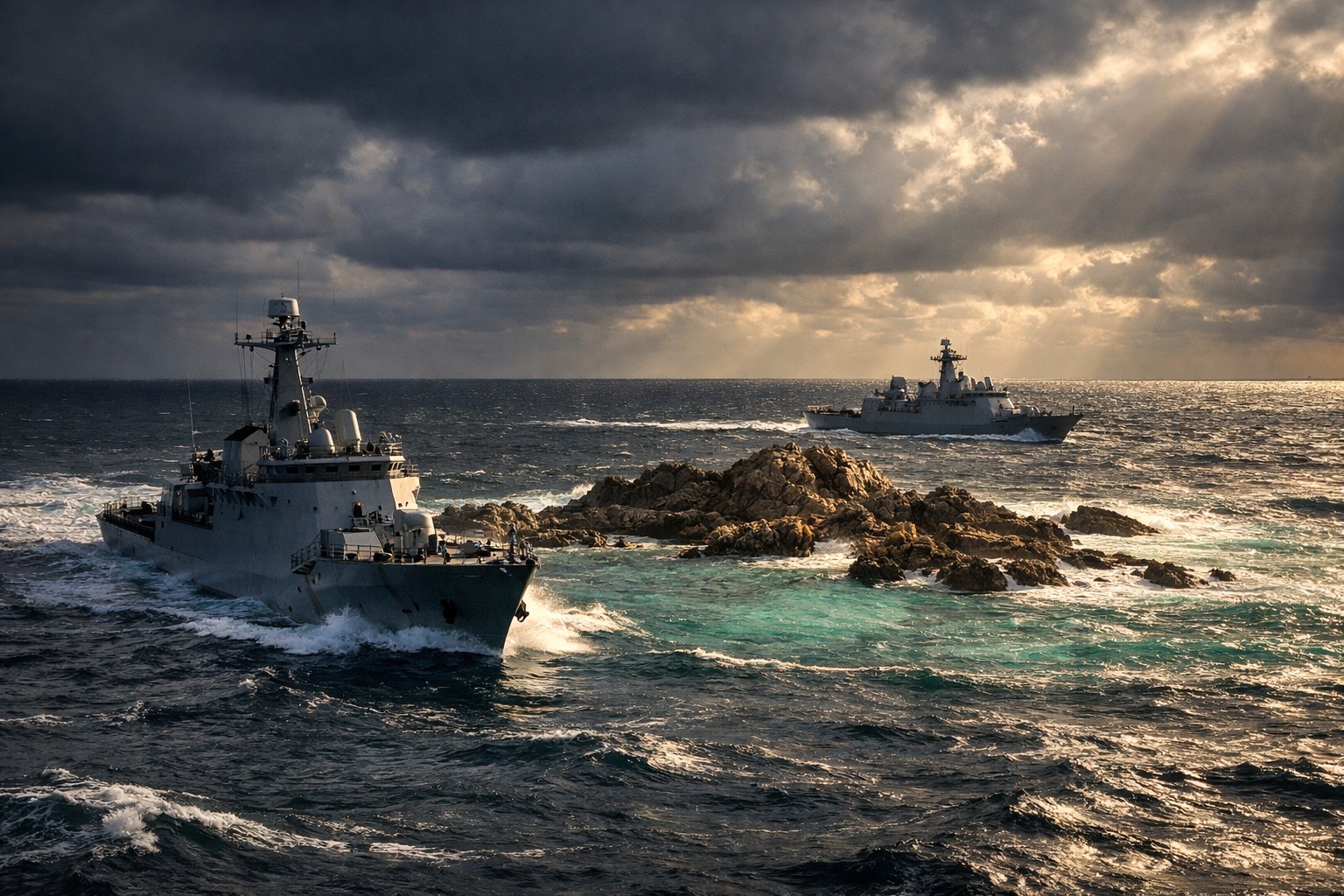
Chinese coast guard and maritime militia vessels have begun active patrols around Scarborough Shoal, a strategically important feature in the South China Sea, shortly after the Philippines issued a formal warning about potential interference with Filipino fishing and resupply operations in the area.
What Happened
According to Philippine Coast Guard reports, several Chinese vessels approached the shoal on recent patrols after Manila publicly cautioned against any attempts to block access or harass local fishermen. The Chinese side described the activity as routine law enforcement within its territorial waters.
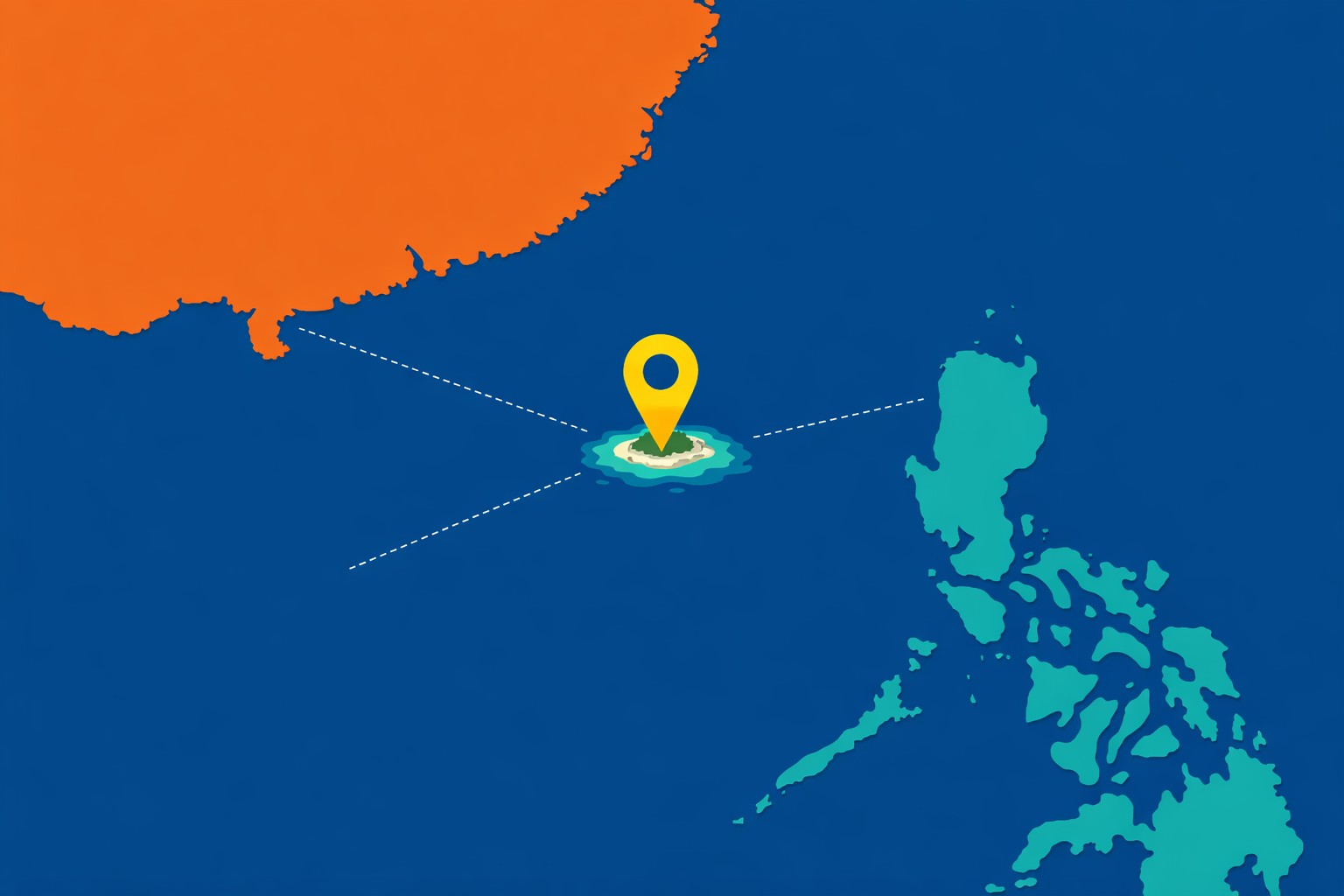
Philippine officials noted that the warning came after sightings of increased Chinese presence near the shoal, which lies approximately 120 nautical miles west of the Philippine island of Luzon. No direct confrontations were reported during the latest patrols, though both sides maintained heightened vigilance.
Maritime tracking data showed at least three Chinese coast guard cutters and several smaller vessels conducting loops around the shoal's lagoon entrance. Philippine monitoring aircraft observed the movements but did not approach closely.
Background & Context
Scarborough Shoal has been a flashpoint since a prolonged standoff in 2012, when Chinese vessels effectively took control after Philippine authorities attempted to arrest Chinese fishermen. The feature is claimed by both nations and lies well within the Philippines' exclusive economic zone as recognized under international law.
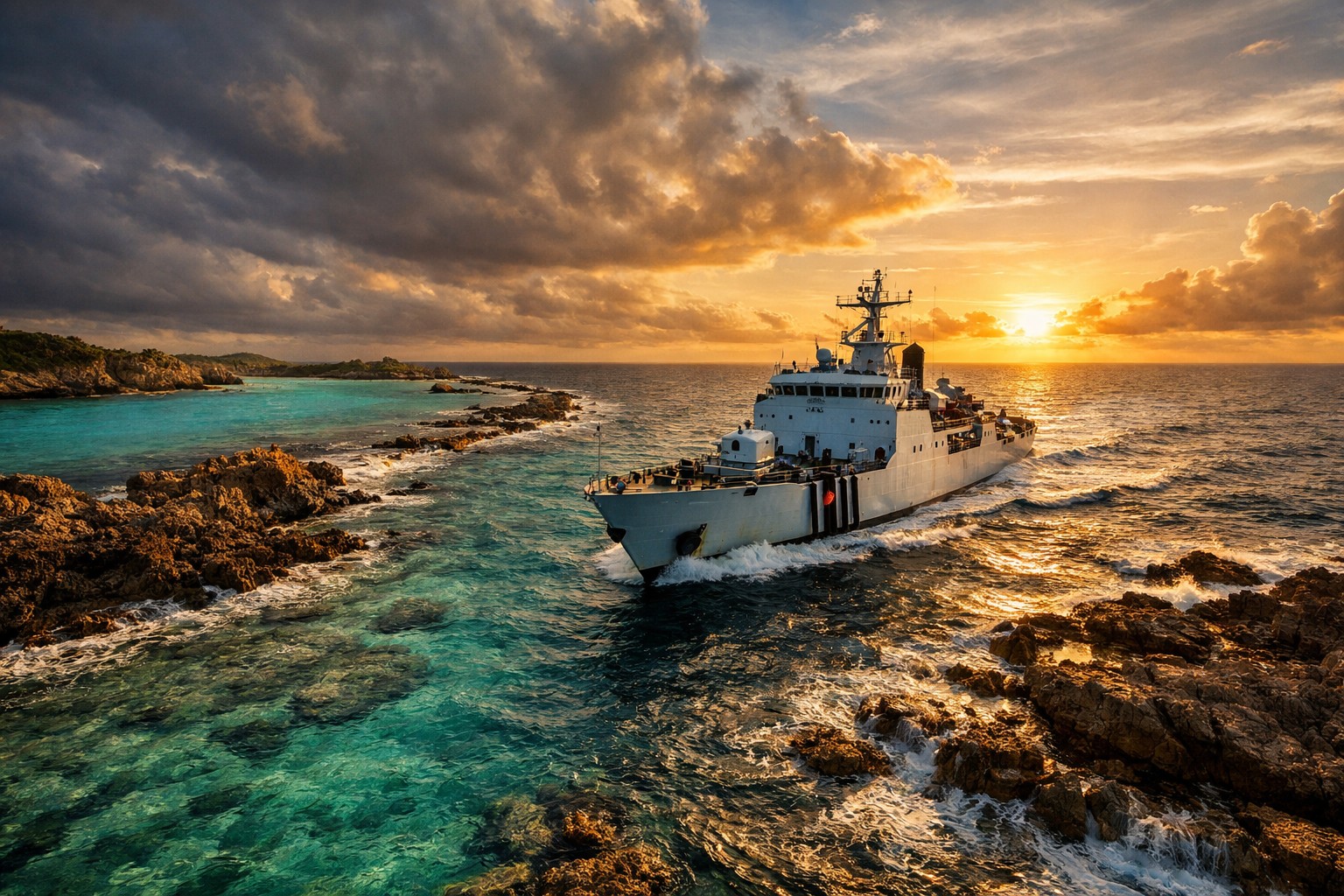
The 2016 Permanent Court of Arbitration ruling in The Hague invalidated China's nine-dash line claims and affirmed that Scarborough Shoal generates only a 12-nautical-mile territorial sea, not an exclusive economic zone. Beijing has rejected the ruling and continues to assert historical rights.
- Scarborough Shoal sits roughly 220 kilometers from the Philippines and over 800 kilometers from China's Hainan Island.
- The surrounding waters support rich fishing grounds that sustain thousands of Filipino livelihoods.
- Control of the shoal offers potential strategic advantages for monitoring sea lanes connecting the Pacific and Indian Oceans.
Key Players & Reactions
Manila's foreign ministry reiterated its commitment to protecting sovereign rights while calling for calm and diplomatic dialogue. A spokesperson stated that Philippine vessels would continue operating in the area in accordance with international law.
We remain firm in defending our maritime entitlements and urge all parties to exercise restraint and avoid actions that could escalate tensions.
China's foreign ministry responded that the patrols were legitimate enforcement actions within waters under Chinese jurisdiction. Officials emphasized that such operations are conducted regularly to protect fisheries and maintain order.
China has indisputable sovereignty over Scarborough Shoal and its adjacent waters. Routine patrols are necessary to safeguard our rights and interests.
The United States, which maintains a mutual defense treaty with the Philippines, expressed concern over the developments and reaffirmed its commitment to freedom of navigation in the region. Australian and Japanese officials also issued statements supporting peaceful resolution of disputes.
Analysis & Implications
Analysts view the latest patrols as part of China's broader strategy of maintaining a persistent presence to reinforce its claims without triggering open conflict. Such gray-zone tactics have become common across multiple disputed features in the South China Sea.
Experts note that while Scarborough Shoal has seen fewer physical clashes than Second Thomas Shoal in recent years, any attempt to restrict Filipino access could quickly draw in allied forces. The presence of U.S. surveillance assets in the area adds another layer of complexity.
Regional observers warn that repeated incidents risk normalizing dangerous maneuvers at sea, increasing the chance of miscalculation. Diplomatic channels remain open but have produced limited results on core sovereignty questions.
Regional & Global Impact
The patrols affect multiple stakeholders across Southeast Asia and beyond. Fishing communities in western Luzon report anxiety over potential restrictions on traditional grounds. ASEAN unity on the issue remains fragile due to differing economic ties with Beijing.
- Philippine fishermen face ongoing uncertainty regarding daily catches and safety at sea.
- Regional shipping lanes could experience indirect effects if tensions lead to increased naval deployments.
- Global powers including the United States, Japan, and Australia continue to conduct freedom-of-navigation operations in response to Chinese activities.
- Environmental groups highlight risks to coral reefs and marine biodiversity from sustained vessel presence.
What To Watch
Attention now turns to upcoming bilateral talks between Manila and Beijing scheduled for later this month, as well as the next ASEAN summit where maritime security is expected to feature prominently. Philippine resupply missions to other outposts and possible joint patrols with allies will also be closely monitored.
Observers will look for signs of de-escalation, such as reduced vessel numbers or renewed confidence-building measures. Any new incidents could prompt stronger statements from the United Nations or additional sanctions discussions.
Disclaimer: This content is aggregated from verified external sources for global news and information purposes only.