

CBO Projections Signal Widening US Fiscal Gap by 2031
The United States is heading toward a sharper fiscal imbalance, with federal spending on entitlements, interest payments, and other mandatory programs expected to exceed tax revenues by 2031 according to Congressional Budget Office estimates. Those outlays are projected to reach roughly 20 percent of GDP by 2040, a level that would mark a sustained structural deficit even under current law. The warning arrives as total public debt already exceeds $36 trillion and interest costs consume a growing share of the federal budget.
What Happened
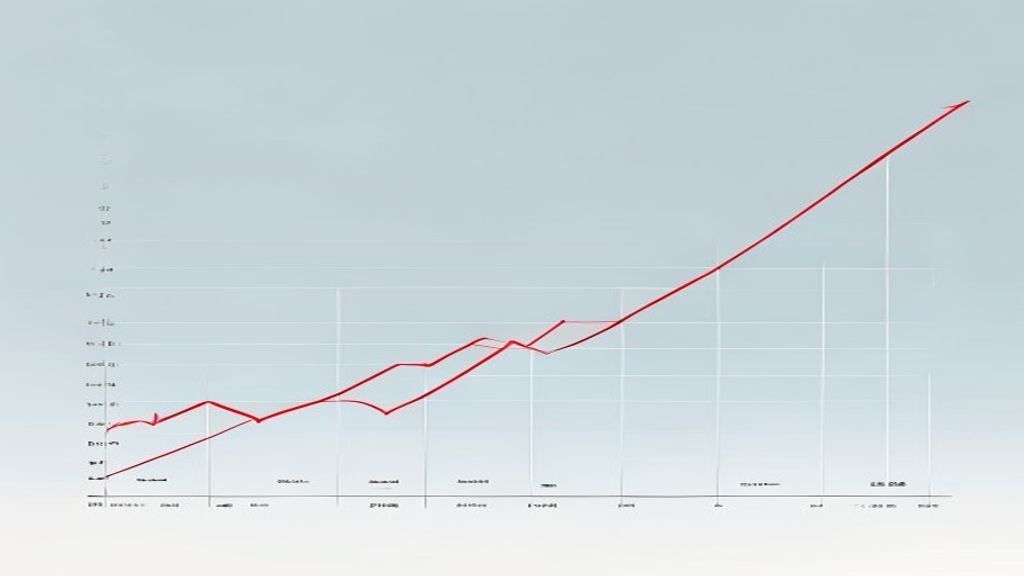
The CBO’s latest long-term budget outlook shows mandatory spending plus net interest outpacing revenues on a consistent basis beginning in 2031. Under current policies, Social Security, Medicare, Medicaid, and interest on the debt will drive the gap wider each year thereafter. By 2040 these categories alone are expected to equal about 20 percent of GDP while revenues remain near their historical average of roughly 18 percent.
Interest payments have already surged past defense spending and now rank as the second-largest federal outlay after Social Security. The combination of rising rates and accumulated debt has accelerated this shift faster than many earlier forecasts anticipated.
Background & Context
US fiscal pressures have built steadily since the 2008 financial crisis and accelerated during the pandemic. Mandatory programs now account for more than 60 percent of federal spending, leaving Congress with limited flexibility in annual appropriations.

- Federal debt held by the public stood at 98 percent of GDP in 2024 and is projected to reach 122 percent by 2034.
- Net interest costs are expected to total $12.3 trillion over the next decade.
- Social Security and major health programs will grow from 10.6 percent of GDP today to 13.3 percent by 2040.
Earlier periods of high debt, such as after World War II, were reduced through rapid economic growth and inflation. Today’s demographics and lower projected productivity growth make a similar path less likely without policy changes.
Key Players & Reactions
CBO Director Phillip Swagel has repeatedly noted that the current trajectory is unsustainable without legislative action. Lawmakers from both parties have offered differing prescriptions, ranging from spending restraint to revenue increases.
Without changes to current law, debt will continue rising relative to the size of the economy, and interest costs will remain elevated.
Republican leaders have emphasized the need to slow the growth of entitlements, while Democrats have pointed to higher taxes on corporations and high earners as part of any solution. Wall Street analysts have begun factoring larger borrowing needs into their rate forecasts.
Analysis & Implications
Economists warn that sustained deficits of this magnitude could crowd out private investment and push interest rates higher over time. A larger share of the budget devoted to interest leaves less room for infrastructure, research, or defense.
Some analysts argue that modest reforms, such as gradually raising the Social Security retirement age or adjusting benefit formulas, could narrow the gap without abrupt cuts. Others advocate broadening the tax base through elimination of deductions and credits.
The risk of a sudden market reaction remains low while the dollar retains its reserve-currency status, yet the margin for error narrows with each passing year of higher borrowing.
Regional & Global Impact
Higher US borrowing needs affect capital flows worldwide. Foreign holders of Treasuries, including Japan and China, may demand higher yields to absorb additional supply.
- Emerging markets could face tighter financial conditions if US rates remain elevated.
- Global pension funds and insurers may shift allocations away from long-duration US bonds.
- Countries with large dollar-denominated debt could see rising servicing costs.
At the same time, the dollar’s dominance in trade and reserves continues to provide a buffer that other high-debt nations lack.
What To Watch
Investors and policymakers will focus on the next CBO update scheduled for early 2026, which will incorporate any legislative changes from the current Congress. Midterm elections in 2026 and the 2028 presidential contest will shape the political feasibility of entitlement or tax reforms.
Key indicators to monitor include the 10-year Treasury yield, the debt-to-GDP ratio published quarterly by the Treasury, and annual trustees reports on Social Security and Medicare solvency. Any bipartisan budget agreement that alters baseline spending or revenue assumptions could materially change these long-term projections.
Disclaimer: This article relies on current CBO projections that are subject to revision based on future economic data, interest rates, and policy decisions.
Disclaimer: This content is aggregated from verified external sources for global news and information purposes only.