
Canada Weighs Mixed F-35 and Gripen Fleet to Ease U.S. Reliance
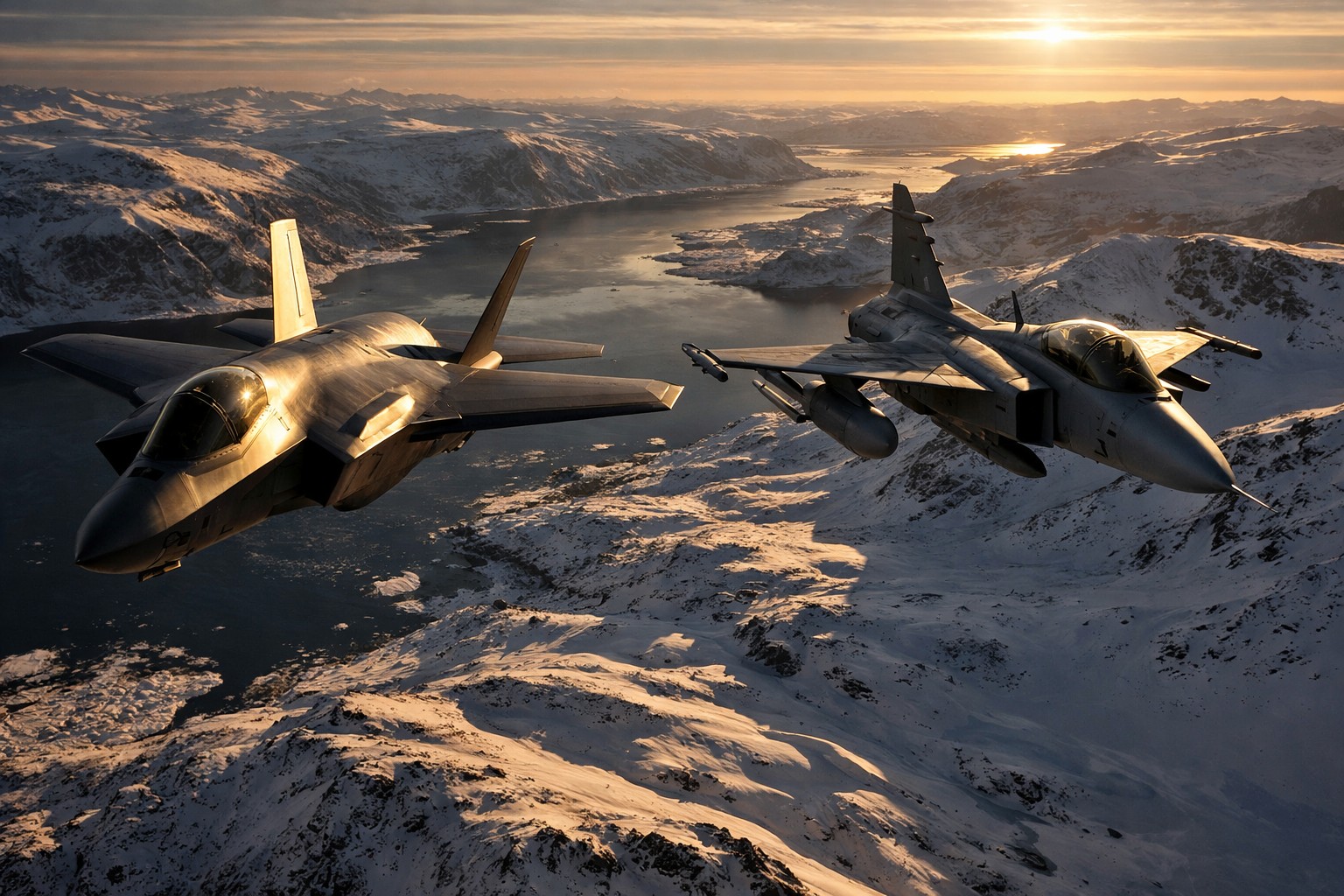
Prime Minister Mark Carney is studying a split purchase of roughly 30 American F-35s and 60 Swedish Gripens, a step that could mark the biggest change in Canadian fighter procurement in a generation. The proposal, still at the discussion stage, aims to give the Royal Canadian Air Force a more balanced mix of stealth and light multirole fighters while reducing long-term dependence on a single supplier.
Carney Signals Shift from American Hardware
Officials close to the prime minister say the idea emerged during internal reviews of the existing plan to buy 88 F-35s. A mixed fleet would keep a small number of the stealth jets for high-threat missions while adding Gripens optimized for sovereignty patrols and Arctic operations.
The approach echoes earlier debates in Ottawa about maintaining industrial and operational flexibility. Supporters argue it prevents any single foreign government from holding veto power over Canadian airpower sustainment.
Decades of Reliance on U.S. Defense Systems
Canada has flown American-designed fighters almost continuously since the 1950s. The current CF-18 Hornets are based on a U.S. Navy airframe, and the 2023 decision to select the F-35 continued that pattern despite competition from European rivals.
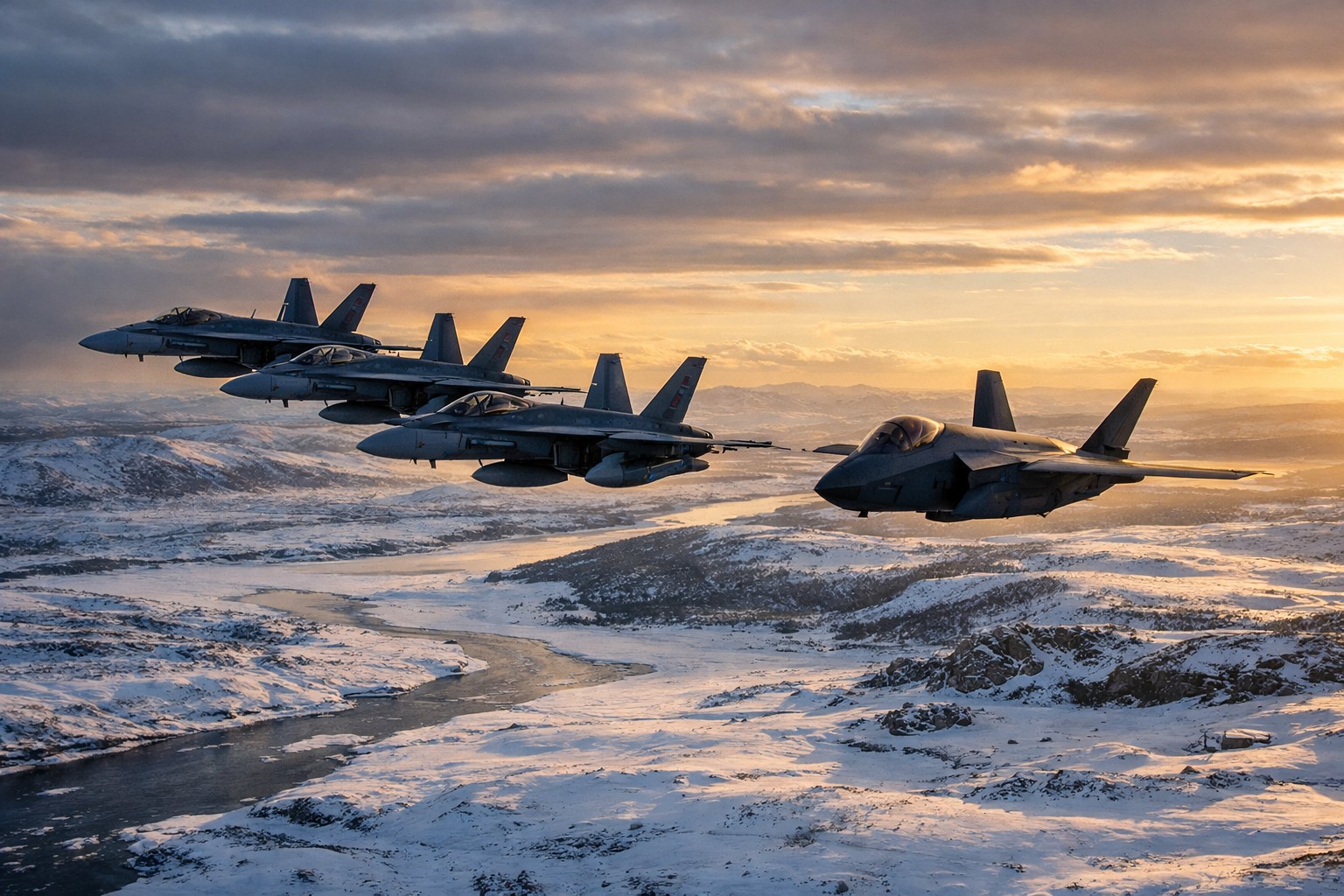
Successive governments have cited interoperability with U.S. forces and access to advanced technology as decisive factors. Yet critics have long warned that exclusive reliance creates vulnerabilities in supply chains and political leverage during bilateral disputes.
Gripen's Advantages in Northern Operations
Swedish officials have quietly promoted the Gripen E/F as a lower-cost, easier-to-maintain option suited to Canada’s vast northern airspace. The aircraft can operate from short, unprepared runways and carries a modern sensor suite without requiring the same level of U.S. data-link integration.
- Estimated unit cost roughly half that of an F-35
- Designed for dispersed operations in cold climates
- Lower electronic-warfare signature in some mission profiles
- European supply chain reduces single-nation dependency
Defense analysts note that a fleet of 60 Gripens could handle most routine sovereignty and training sorties, freeing the smaller F-35 contingent for coalition operations with NATO or NORAD.
Potential Repercussions for Bilateral Ties
Any move away from a full F-35 buy would likely draw attention in Washington. U.S. lawmakers have previously linked fighter sales to broader defense-cooperation agreements, including NORAD modernization funding.

Canadian negotiators would need to reassure American partners that the reduced F-35 order does not signal a weakening of continental defense commitments. At the same time, Stockholm would gain a high-profile export success that could influence other NATO members considering fleet diversification.
Defense Analysts Weigh In on the Proposal
"A mixed fleet makes sense for a country with Canada’s geography and alliance obligations, but the real test will be whether the two aircraft types can share targeting data and maintenance infrastructure without excessive cost," said retired Lieutenant-General Alain Pelletier, former commander of the Royal Canadian Air Force.
Other experts caution that splitting the fleet could complicate pilot training pipelines and spare-parts logistics. They stress that any final decision must include rigorous modeling of long-term sustainment expenses.
Procurement Timeline and Budget Considerations
The current F-35 contract remains active, with the first Canadian aircraft scheduled for delivery in 2026. Any pivot to a dual purchase would require renegotiating quantities and possibly reopening elements of the industrial benefits package negotiated with Lockheed Martin.
Finance officials are examining whether spreading orders between two manufacturers could stabilize annual defense spending and create leverage for better pricing. Early estimates suggest the combined 90-aircraft fleet would cost roughly the same as the original 88-jet F-35 program, assuming favorable Gripen contract terms.
Broader Implications for Arctic Security
With melting ice opening new northern sea lanes, Canada faces growing pressure to demonstrate persistent air presence. A Gripen component optimized for cold-weather dispersal could complement F-35 stealth missions in contested environments.
Allied officials in both Washington and European capitals will watch closely to see whether Ottawa’s experiment becomes a template for other middle powers seeking greater strategic autonomy without abandoning core alliance commitments.
Disclaimer: This content is aggregated from verified external sources for global news and information purposes only.