
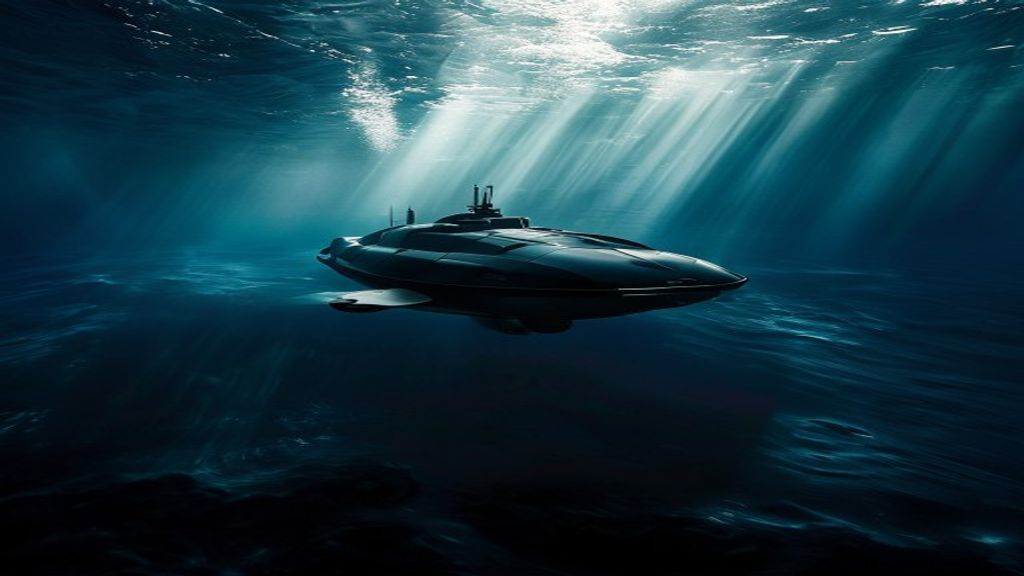
AUKUS to Roll Out Unmanned Undersea Vehicles by 2027
The AUKUS security partnership has moved forward with a new initiative to develop and field unmanned undersea vehicles, with initial deliveries expected in 2027. The effort forms part of Pillar II of the alliance and aims to give Australia, the United Kingdom, and the United States greater reach in monitoring contested waters without placing sailors in harm's way.
What Happened
Officials confirmed that the three nations will jointly design and produce a family of autonomous underwater vehicles capable of long-duration missions. These systems will perform intelligence collection, mine countermeasures, and anti-submarine warfare tasks. The first operational units are slated for delivery to all three partners by the end of 2027, according to statements released alongside the Reuters report.
The vehicles will incorporate shared technologies in propulsion, sensors, and artificial intelligence for navigation. Early prototypes have already completed tank and sea trials in Australian and British waters. Program managers expect the platforms to operate at depths exceeding 1,000 meters for weeks at a time without human intervention.
Background & Context
AUKUS was launched in September 2021 to deepen defense cooperation among the three countries, primarily to address growing strategic competition in the Indo-Pacific. The partnership consists of two main pillars: Pillar I focuses on equipping Australia with nuclear-powered submarines, while Pillar II targets emerging technologies including hypersonics, quantum systems, and undersea autonomy.
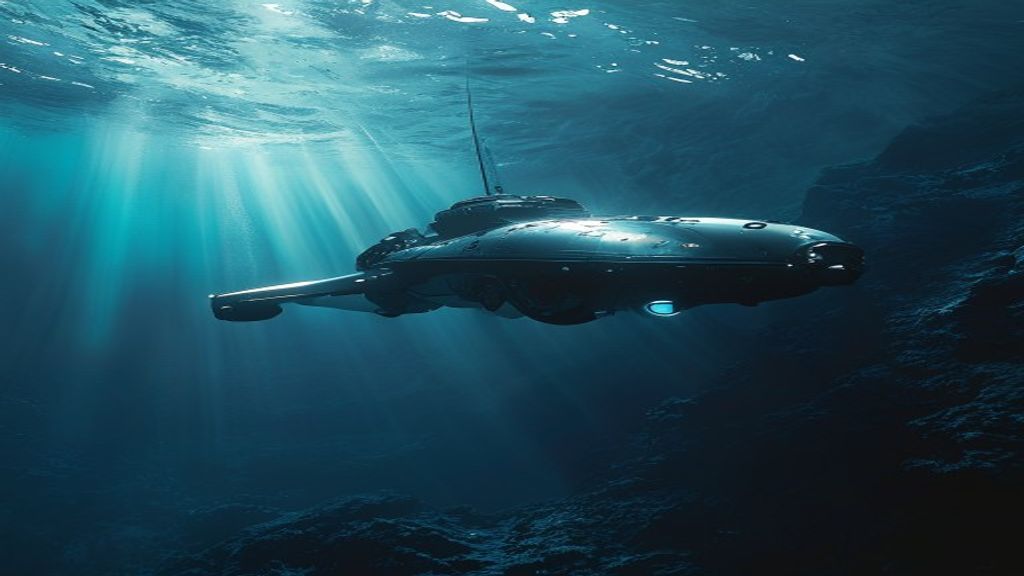
- Unmanned undersea vehicles reduce risk to personnel while extending persistent surveillance over vast ocean areas.
- China has rapidly expanded its submarine fleet and underwater drone programs in recent years.
- Previous bilateral efforts between the US and Australia laid groundwork for the current trilateral approach.
- The 2027 timeline aligns with accelerated testing schedules already underway in all three nations.
Undersea autonomy has become a priority because traditional crewed submarines cannot maintain continuous coverage across the enormous distances of the Pacific. The new vehicles will complement the future nuclear submarine fleet rather than replace it.
Key Players & Reactions
Defense leaders from each country welcomed the announcement and emphasized its role in collective deterrence. Australian Deputy Prime Minister Richard Marles described the project as a practical demonstration of AUKUS delivering results ahead of schedule.
"These unmanned systems will give us new options for protecting our maritime approaches and supporting our allies in times of crisis."
US Under Secretary of Defense for Research and Engineering Heidi Shyu highlighted the collaborative nature of the work, noting that shared development reduces duplication and speeds innovation. British First Sea Lord Admiral Ben Key pointed to the vehicles' ability to operate alongside the UK's own submarine force in the Atlantic and beyond.
"By pooling our industrial and technological strengths we are creating capabilities that none of us could deliver alone at this pace."
Industry partners including Anduril Industries and BAE Systems have been named as key contributors to the sensor and autonomy packages. Additional contractors are expected to be selected through competitive processes in the coming months.
Analysis & Implications
Analysts view the 2027 delivery target as ambitious yet achievable given the maturity of existing unmanned underwater vehicle programs in each country. The systems are expected to feature modular payloads that can be swapped depending on mission requirements, from seabed mapping to electronic warfare.
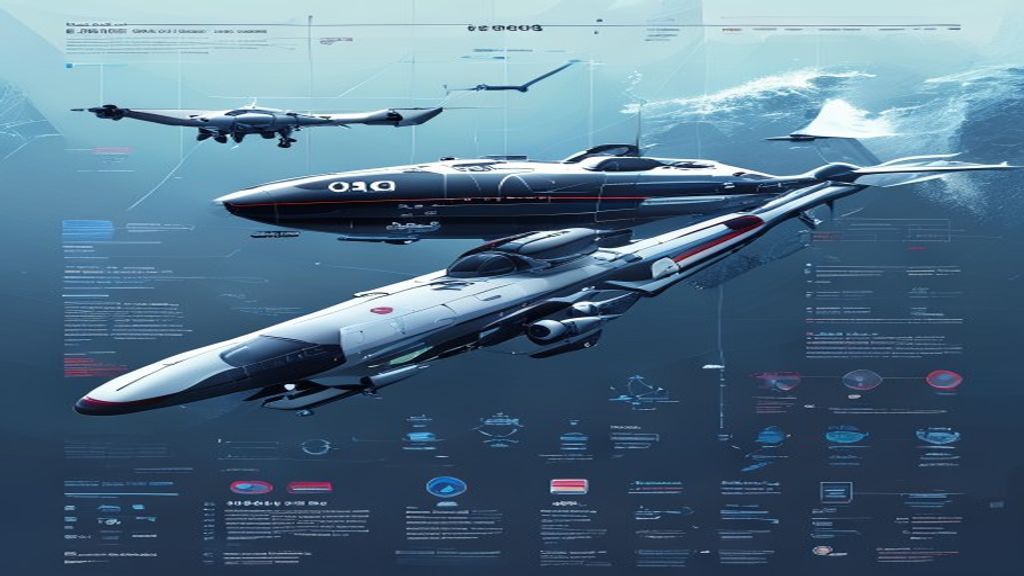
Strategic experts note that unmanned platforms offer lower costs and higher risk tolerance than crewed vessels. This allows navies to experiment with new tactics, such as forward-deployed swarms that can loiter near potential adversary ports or chokepoints.
Some observers caution that integration challenges remain, particularly around command-and-control links and rules of engagement for autonomous systems. Cybersecurity protections for the vehicles' software will also require sustained investment.
Regional & Global Impact
The initiative is likely to influence defense planning across the Indo-Pacific. Regional partners such as Japan and South Korea have already expressed interest in possible future cooperation on related technologies.
- China may accelerate its own unmanned undersea programs in response to the AUKUS announcement.
- Southeast Asian nations could seek greater maritime domain awareness support from AUKUS members.
- NATO allies are watching the project for lessons applicable to European waters.
- Supply chain and rare-earth dependencies for advanced batteries and sensors could create new vulnerabilities.
Global defense markets may see increased demand for similar autonomous systems as smaller navies look to modernize without acquiring expensive submarines. The technology could also find civilian applications in offshore energy and oceanographic research.
What To Watch
Key milestones include the next AUKUS defense ministers meeting scheduled for late 2025, where updated timelines and cost-sharing arrangements are expected. Sea trials of integrated systems are planned for 2026 in the Coral Sea and waters around the UK.
Watch for announcements on payload configurations and data-sharing protocols among the three nations. Any delays in the parallel nuclear submarine program could indirectly affect funding priorities for these unmanned systems.
Disclaimer: This content is aggregated from verified external sources for global news and information purposes only.