
Alphabet Seeks $80 Billion Equity Raise for AI Push
Alphabet Inc. announced plans to raise as much as $80 billion through equity offerings, with Berkshire Hathaway committing as a significant investor. The move comes as the Google parent accelerates spending on artificial intelligence infrastructure, including hyperscale data centers and custom silicon. Executives framed the capital infusion as essential to keep pace in a rapidly evolving technology landscape where rivals are pouring tens of billions into similar projects.
Soaring Capex Forces Historic Fundraising
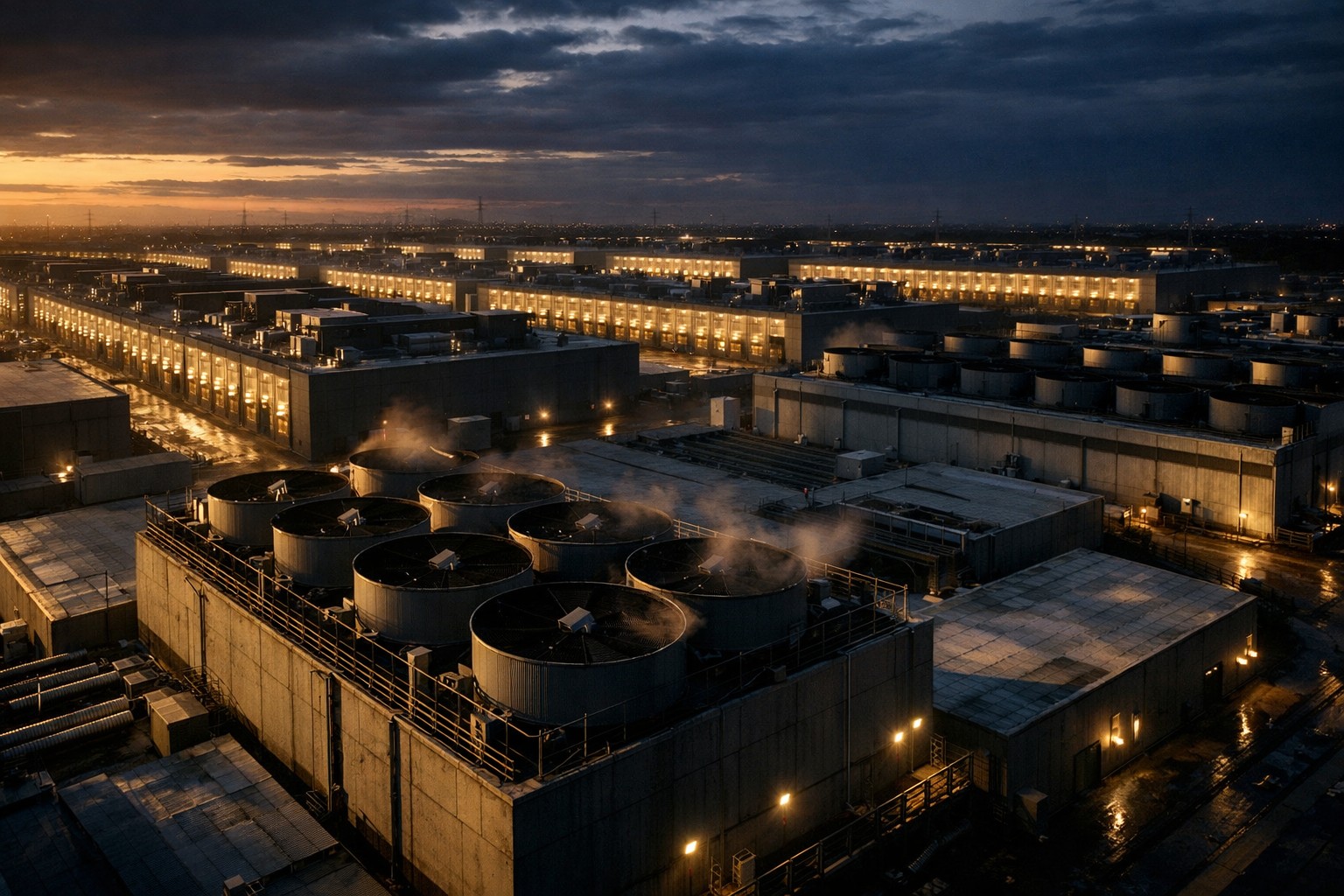
Alphabet’s capital expenditures have climbed sharply over the past two years as the company builds out the physical backbone for its Gemini models and cloud services. In recent quarters the firm has signaled that annual spending could exceed previous records, driven by the need for specialized chips, high-density servers, and vast amounts of power. Industry analysts note that training frontier AI systems now requires clusters measured in the hundreds of megawatts, turning data-center construction into a multi-year, multi-billion-dollar endeavor.
The $80 billion target represents one of the largest equity raises by a U.S. technology company in recent memory. Proceeds are expected to fund new facilities across the United States and Europe while also supporting research into next-generation tensor processing units. Without fresh capital, Alphabet risks falling behind peers who have already locked in long-term supply agreements with chipmakers and utilities.
Berkshire Hathaway Steps Into AI Bet
Berkshire’s participation adds a notable vote of confidence from one of the world’s most followed investment firms. Although Warren Buffett has historically favored traditional industries, the conglomerate has maintained a long-standing position in Alphabet shares through its equity portfolio. The new commitment is viewed by some observers as an opportunistic deployment of Berkshire’s substantial cash reserves into a sector Buffett once described as difficult to value.

“We see tremendous long-term value in Alphabet’s AI roadmap and the infrastructure supporting it,” Berkshire said in a statement released alongside the filing.
Market watchers say the investment could help stabilize sentiment around Alphabet’s valuation as the company transitions from search-advertising dominance to a broader AI platform play. Berkshire’s involvement may also signal that patient capital remains available even as interest rates stay elevated.
Equity Structure and Shareholder Impact
Details released so far indicate a mix of primary shares sold directly by Alphabet and a secondary component that could allow existing holders to participate. The offering is expected to be executed over multiple tranches to minimize immediate dilution. Underwriters are reportedly lining up major institutional buyers in addition to Berkshire’s allocation.
- Potential dilution estimated at 4–6 percent depending on final pricing
- Funds earmarked for data-center builds in Ohio, Texas, and the Netherlands
- Additional allocation toward custom TPU v6 development and liquid-cooling systems
Some analysts caution that repeated equity raises could pressure the stock’s price-to-earnings multiple, which remains elevated relative to traditional media and advertising peers. Others argue the growth prospects in AI cloud services justify the capital structure shift.
Wall Street and Analyst Reactions
Initial market reaction was muted as investors digested both the size of the raise and the strategic rationale. Shares fell modestly in early trading before recovering as details of Berkshire’s involvement circulated. Several research firms raised their price targets, citing the strengthened balance sheet and clearer visibility into AI monetization timelines.

“This is not just about catching up; it is about building durable competitive moats in inference and training infrastructure,” said Elena Vargas, senior technology strategist at a major investment bank.
Options activity showed increased hedging, reflecting uncertainty over how quickly returns on the new spending will materialize. Credit-rating agencies placed Alphabet on positive watch, noting the equity route avoids adding leverage at a time when borrowing costs remain high.
AI Arms Race Reshapes Tech Spending
Alphabet is not alone in its aggressive posture. Microsoft, Amazon, and Meta have all disclosed multi-year capital-expenditure plans exceeding $50 billion annually, much of it tied to generative-AI workloads. The collective surge has strained global supply chains for GPUs and high-bandwidth memory while pushing utilities to fast-track new generation capacity.
Alphabet’s strategy emphasizes vertical integration through its own TPUs, which it claims deliver better performance per watt than off-the-shelf alternatives for certain workloads. The company also continues to lease capacity from third-party providers to meet near-term demand spikes. Observers expect the industry-wide buildout to continue for at least three to five more years before capacity growth begins to moderate.
Regulatory and Energy Challenges Loom
Even as funding is secured, Alphabet faces headwinds on multiple fronts. Antitrust cases in the United States and Europe could limit how deeply the company integrates AI features into its core search and advertising products. Meanwhile, local opposition to new data-center projects has grown over concerns about electricity consumption and water usage for cooling.
Company filings acknowledge that securing adequate power contracts has become a gating factor for several planned campuses. Renewable-energy procurement targets add another layer of complexity and cost. Executives have said they remain committed to carbon-neutral operations but concede that timelines may slip if grid connections lag.
Long-Term Roadmap for Google AI
With fresh capital in hand, Alphabet is expected to accelerate deployment of AI-enhanced search results, enterprise cloud offerings, and consumer products such as advanced assistants and creative tools. The company has also hinted at deeper integration between its AI models and YouTube recommendation systems, potentially unlocking new advertising formats.
Investors will watch upcoming earnings calls for updated guidance on when the heavy infrastructure spending begins to translate into higher-margin revenue streams. Success hinges on both technological breakthroughs and the company’s ability to navigate regulatory scrutiny without ceding ground to more nimble competitors.
Disclaimer: This content is aggregated from verified external sources for global news and information purposes only.